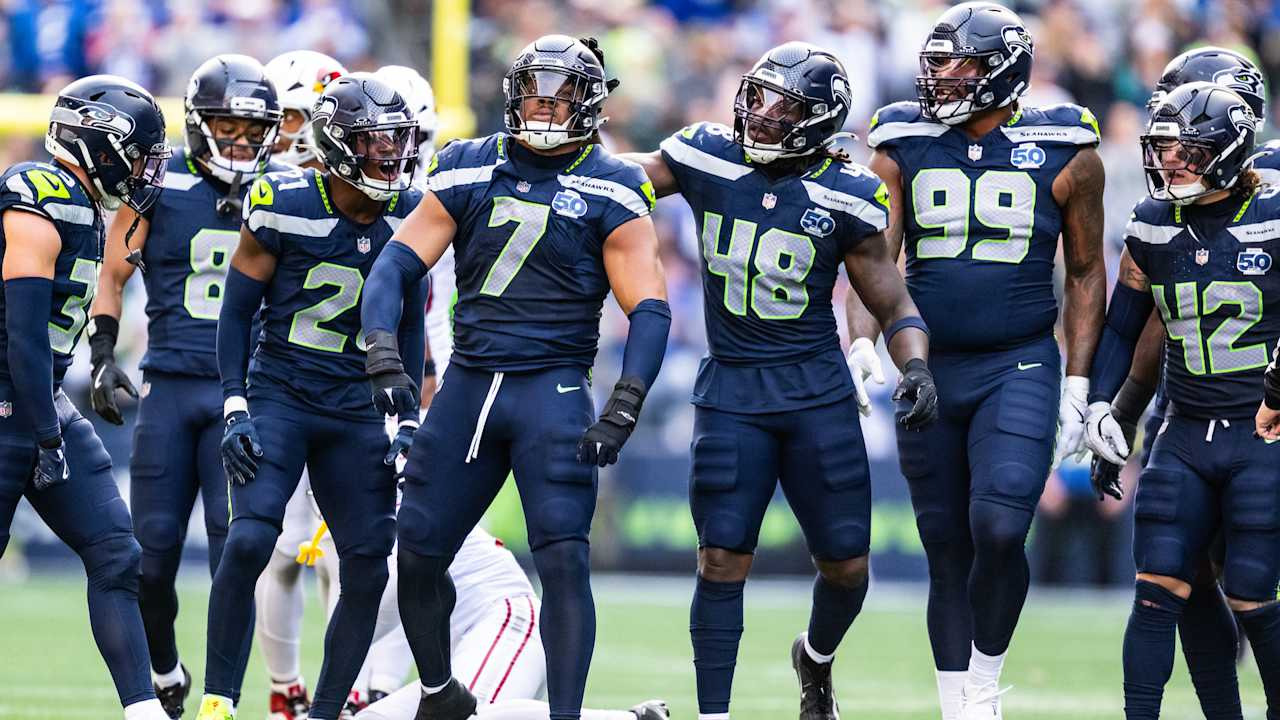
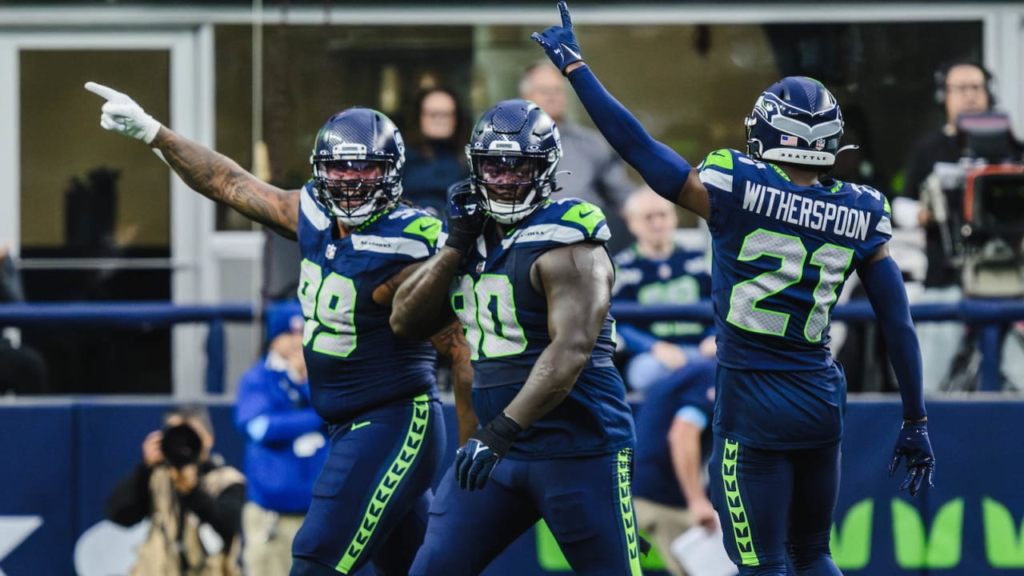
In an era dominated by explosive offenses and quarterback-friendly rules, one NFL defense has flipped the script. The Seattle Seahawks defense is redefining modern dominance through relentless pressure, discipline, and psychological intimidation. This deep-dive explains why analysts, players, and coaches alike are calling it the most dangerous NFL defense in years—and why it’s built to last.
Introduction: When Defense Forces the NFL to Pay Attention Again
For much of the past decade, the NFL has been an offense-first league. Rule changes encouraged passing, protected quarterbacks, and rewarded spacing and speed. Defensive dominance, once the league’s backbone, felt like a relic of another era—something fans remembered rather than experienced.
That’s why the current conversation feels different.
Across the United States, fans are searching:
- “Is this the best NFL defense in years?”
- “Why can’t quarterbacks handle Seattle’s defense?”
- “Which NFL defense scares teams the most right now?”
- “Does defense still win championships?”
These aren’t nostalgic questions. They’re reactions to what’s happening on Sundays. Because for the first time in a long time, one defense isn’t just surviving in an offense-heavy NFL—it’s controlling games.
That defense belongs to the Seattle Seahawks.
What Does “Most Dangerous Defense” Really Mean?
The word dangerous gets thrown around loosely in sports media, so it’s important to define it clearly.
A dangerous NFL defense is not simply one that:
- Ranks high in total yards allowed
- Accumulates highlight-reel sacks
- Has one superstar player
A truly dangerous defense:
- Forces quarterbacks into uncomfortable decisions
- Disrupts offensive identity
- Dictates tempo and play-calling
- Wins games when the offense struggles
By those standards, Seattle doesn’t just qualify—it stands apart.
The Turning Point: How This Defense Changed the Conversation
Seattle’s rise didn’t happen overnight. It was built gradually through discipline, coaching, and a clear understanding of how modern offenses operate.
Instead of reacting to offenses, Seattle began constraining them.
Real-life example:
Against high-powered passing attacks, Seattle rarely panics. They don’t blitz recklessly or retreat into soft zones. Instead, they disguise coverages, rotate late, and apply pressure just long enough to collapse timing routes. Quarterbacks don’t just miss throws—they abandon progressions entirely.
That’s not chaos. That’s calculated control.
Why Quarterbacks Look Uncomfortable From the First Snap
Watch Seattle play closely and you’ll notice something unusual: quarterbacks rarely look settled.
Even veteran passers:
- Speed up footwork
- Check down too early
- Drift into pressure
- Miss open receivers
This isn’t because coverage is always perfect. It’s because pressure is always implied.
Seattle’s defense occupies mental space. Quarterbacks feel hunted, even when they aren’t being touched.
Pressure Without Predictability: The Core Advantage
Many defenses generate pressure by blitzing heavily. That approach can work—but it’s risky.
Seattle does something far more dangerous: it generates pressure without announcing it.
They rely on:
- Rotating edge rushers
- Interior stunts and delayed pressure
- Linebackers timing gaps instead of selling out
Offensive lines can’t identify where pressure is coming from. Protection schemes break down not from overload, but from uncertainty.
Uncertainty is kryptonite for quarterbacks.
Why This Defense Thrives in a Pass-Happy NFL
Modern NFL offenses thrive on spacing, rhythm, and quick reads. Seattle’s defense attacks all three.
They excel at:
- Closing throwing windows instantly
- Tackling in space
- Maintaining leverage on crossing routes
- Communicating seamlessly across levels
This allows them to play aggressively without becoming reckless. They force offenses to string together long drives—something few teams can do consistently.
The Games That Sparked the “Most Dangerous” Label
This reputation didn’t come from hype. It came from results.
In multiple high-profile matchups:
- Elite offenses scored well below season averages
- Third-down efficiency collapsed
- Red-zone trips turned into field goals
- Late-game drives ended in confusion
Fans weren’t watching fluke turnovers or lucky bounces. They were watching systematic suffocation.
What the Analytics Say (And Why They Matter)
Advanced metrics confirm what the eye test suggests.
Seattle ranks near the top of the NFL in:
- Pressure rate (not just sacks)
- Third-down defensive efficiency
- Red-zone defense
- Explosive-play prevention
These metrics matter because they correlate strongly with postseason success. Defenses that limit big plays and win situational downs are the ones still standing in January.
The Psychological Edge: When Defense Becomes Intimidation
Great defenses don’t just stop plays—they alter behavior.
Opposing offenses begin to:
- Avoid deep drops
- Scrap entire sections of the playbook
- Change tempo prematurely
- Play not to lose instead of to win
By the fourth quarter, Seattle’s defense isn’t just reacting. It’s dictating decisions.
That psychological toll compounds over time—and it’s one of the hardest advantages to quantify.
How This Defense Compares to Historic Units
Anytime a defense is called “the most dangerous in years,” comparisons follow. But Seattle’s unit isn’t a copy of past legends.
It’s an evolution.
It combines:
- Old-school physicality
- Modern versatility
- Analytics-driven discipline
This defense isn’t built for one era. It’s built for this one—and that’s why it feels so overwhelming.
Why This Isn’t About One Superstar
Casual fans often assume dominance comes from one transcendent player. Seattle’s defense proves otherwise.
Its strength lies in:
- Depth across the front seven
- Communication in the secondary
- Clearly defined roles
When one player rotates out, the system holds. That’s the difference between a good defense and a terrifying one.
Coaching: The Invisible Advantage Fans Don’t See
Defense is as much about teaching as talent.
Seattle’s coaching emphasizes:
- Assignment integrity
- Situational awareness
- Film-based preparation
Players aren’t just reacting to plays—they’re anticipating them. That anticipation shows up in tipped passes, blown-up screens, and perfectly timed tackles.
Why Offensive Coordinators Are Running Out of Answers
The NFL is a copycat league. When something works, others adapt.
Against Seattle, adaptations haven’t stuck.
Offenses have tried:
- Quick passing games
- Max protection
- Heavy pre-snap motion
- Spread formations
None have consistently worked. That’s why this defense feels unsolved.
Why Defense Is Quietly Winning Again
League-wide trends show:
- Scoring dipping slightly
- Turnovers increasing
- Close games becoming more common
This environment favors defenses that:
- Limit mistakes
- Control situational downs
- Close games late
Seattle fits this profile perfectly. While offense dominates headlines, defense is reclaiming influence—and Seattle is leading that shift.
Built for January: Why This Defense Translates to the Playoffs
Postseason football is slower, tighter, and more physical.
Seattle’s defense:
- Excels in the red zone
- Forces long, mistake-prone drives
- Limits explosive plays
Those traits historically translate to playoff success. Flash fades in January. Discipline endures.
Why This Is Not a One-Year Fluke
Sustainability matters more than peak performance.
Seattle’s defense isn’t built on:
- Unsustainable turnover luck
- One-career-year performances
- Gimmick schemes
It’s built on fundamentals. That’s why coaches fear it—not just now, but going forward.
Practical Takeaways for Fans Watching This Defense
What to watch during games
- Quarterback footwork under pressure
- Late coverage rotations
- Third-and-medium play calls
What it means for close games
- Defense decides outcomes when margins are thin
- Pressure without blitzing wins in January
Frequently Asked Questions (Trending NFL Searches)
1. Why is the Seahawks defense considered so dangerous?
Because it combines pressure, discipline, and unpredictability in a way that disrupts modern offenses.
2. Is this the best NFL defense right now?
Many analysts consider it the most complete and impactful unit in the league.
3. Does this defense rely heavily on blitzing?
No. Much of its pressure comes without heavy blitz usage.
4. How does it affect quarterbacks mentally?
It forces rushed decisions, altered reads, and visible discomfort.
5. Is this defense better than past elite units?
It’s different—designed specifically for today’s pass-heavy NFL.
6. Can offenses eventually adjust?
So far, adjustments have been limited and temporary.
7. Does defense still win championships?
Historically, disciplined defenses perform exceptionally well in the playoffs.
8. What makes Seattle’s defense sustainable?
Depth, coaching continuity, and scheme discipline.
9. Is this defense built around one star?
No. Its dominance comes from collective execution.
10. Will this defense remain elite next season?
Barring major roster changes, its foundation suggests long-term success.
Final Verdict: The Defense Everyone Is Trying to Avoid
The NFL evolves constantly. Offenses innovate. Defenses adapt. Occasionally, one unit gets ahead of the curve.
Right now, the Seattle Seahawks defense is ahead of the curve.
It doesn’t just stop teams—it controls them. It doesn’t rely on chaos—it manufactures inevitability. And in a league obsessed with offense, it has reminded everyone of an old truth:
The most dangerous team is the one that decides how the game is played.
That’s why this defense isn’t just good.
It’s feared.