NFL betting trends consistently reveal a hard truth: the public often backs the wrong team. Influenced by hype, star players, and media narratives, casual bettors inflate betting lines and erase value. This in-depth guide explains why public betting fails, how sportsbooks exploit predictable behavior, and how smarter bettors read betting trends to identify hidden opportunities and avoid costly mistakes.
Introduction: Why NFL Betting Feels Unfair to Most Fans
Every NFL betting season follows a familiar emotional cycle.
You research the matchup. You see a powerhouse team facing a struggling opponent. Analysts agree. Social media agrees. The pick feels obvious. You place your bet—and then watch the “better” team struggle, barely win, or fail to cover the spread entirely.
The frustration builds:
- “Vegas always wins.”
- “This league is impossible to bet.”
- “The NFL makes no sense.”
But the problem is not the NFL.
And it’s not bad luck.
The real issue is public betting behavior.
NFL betting trends show that the majority of bettors consistently place money on teams that are overvalued, overhyped, and overbet. Sportsbooks understand this behavior perfectly—and they use it to their advantage.
This article exposes why the public so often backs the wrong team, how betting trends reveal market manipulation, and how you can read these trends to make more informed decisions. If you have ever wondered why your “safe” picks keep failing, this guide will change how you approach NFL betting forever.
What Are NFL Betting Trends and Why Do They Matter?
NFL betting trends track how bettors interact with the betting market rather than what happens on the field alone.
They reveal:
- Which teams attract the most bets
- Where the majority of money is being placed
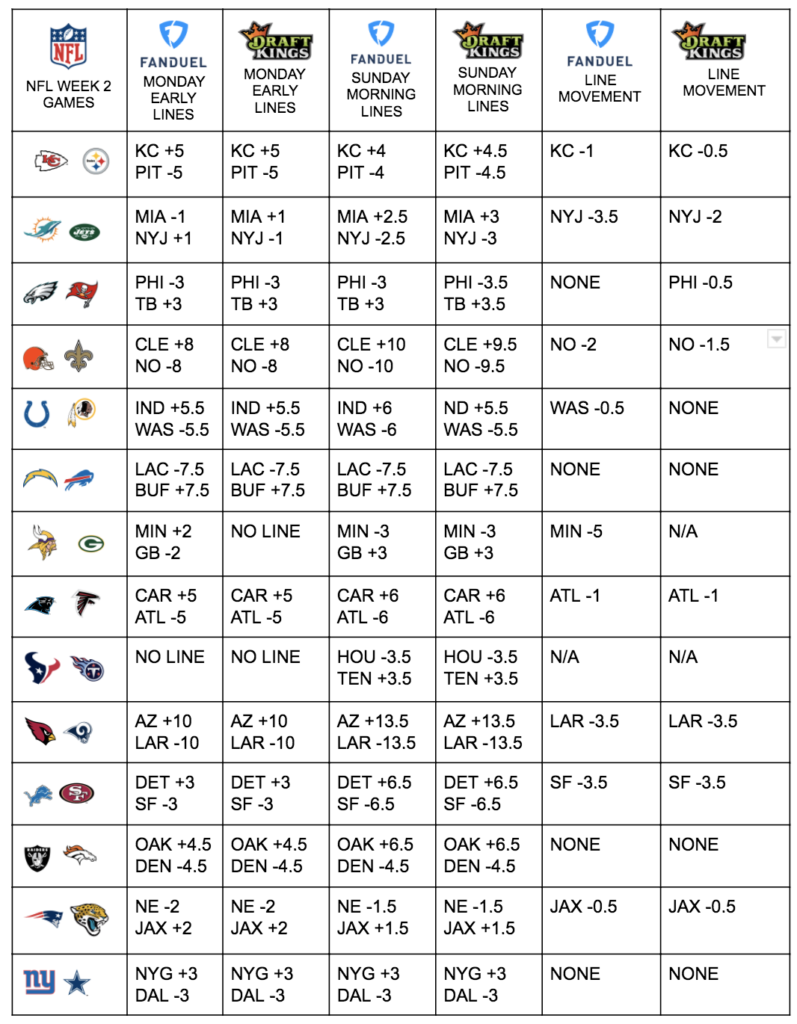
- How lines move before kickoff
- How similar situations performed historically
Betting trends matter because sportsbooks do not exist to predict winners. They exist to manage risk.
When too much money flows to one side, sportsbooks adjust lines to protect themselves. That adjustment often creates a spread that no longer reflects true probability.
This is where value is born.
The Central Truth: The Public Bets Emotionally
Public bettors are not irrational—but they are emotional.
Most betting decisions are influenced by:
- Star quarterbacks and big names
- Recent blowout wins
- Prime-time performances
- Media praise
- Team popularity
These factors feel logical. They feel safe. But they are often already priced into the line.
By the time a casual bettor places a wager, the value has usually disappeared.
Why Sportsbooks Depend on Public Betting Patterns
Sportsbooks thrive on predictability, not outcomes.
They know that public bettors:
- Prefer favorites
- Avoid ugly underdogs
- Love overs
- Chase recent results
Because of this, sportsbooks can shade lines toward public preference with confidence.
They are not predicting who will win. They are predicting how people will bet.
And they are almost always right.
Why Favorites Are Overbet—and Why That’s Dangerous
Favorites feel comfortable.
They:
- Win more often outright
- Look better on paper
- Match public expectations
But betting favorites blindly is one of the fastest ways to lose long-term.
NFL betting trends consistently show:
- Heavily bet favorites underperform against the spread
- Small spreads on popular teams are inflated
- The public overpays for perceived safety
Winning the game does not equal winning the bet.
Underdogs Carry Hidden Value the Public Avoids
Underdogs feel wrong.
They look weak. They sound risky. They lack narrative support. That discomfort keeps public money away—and that is exactly why value often exists on the underdog side.
Underdogs benefit from:
- Inflated spreads
- Lower expectations
- Reduced betting pressure
- Strong situational motivation
When nobody wants a team, sportsbooks must offer extra points to attract money. Those extra points are value.
Line Movement Tells You When the Public Is Wrong
One of the strongest betting signals in the NFL is line movement relative to betting percentages.
If:
- 70–80% of bets are on one team
- Yet the betting line moves toward the other side
That is not an accident.
It indicates that larger, sharper bets disagree with the public. Sportsbooks respect money more than volume—and they adjust accordingly.
This phenomenon is often called reverse line movement, and it is one of the clearest signs that public perception does not match professional evaluation.
Bet Percentage vs Money Percentage: A Critical Difference
Many bettors focus only on bet percentage, which can be misleading.
- Bet percentage shows how many tickets are placed
- Money percentage shows where large wagers land
If most tickets are on one team but most money is on the other, it means casual bettors and professionals are on opposite sides.
Following money rather than volume often leads to more accurate insights.
Prime-Time NFL Games Are Public Betting Traps
Sunday night, Monday night, and Thursday night games attract a different type of bettor.
These games:
- Draw casual fans
- Encourage emotional wagers
- Receive heavy media coverage
Public betting spikes dramatically. Favorites and overs become inflated. Lines drift away from value.
Historically, prime-time games create some of the best opportunities to bet against public sentiment.
Media Narratives Inflate Betting Lines
Sports media does not cover all teams equally.
Some teams receive:
- Constant analysis
- Endless highlights
- Favorable framing
Others are ignored—even when playing efficient football.
This imbalance directly impacts betting behavior. Popular teams attract money regardless of matchup quality. Betting trends consistently show that media attention inflates spreads beyond reasonable expectations.
Late-Season Betting Trends Are the Most Misunderstood
As the season progresses, narratives harden.
Teams are labeled:
- “Frauds”
- “Contenders”
- “Washed”
- “Dangerous”
Public bettors cling to these labels even when circumstances change. Injuries heal. Matchups evolve. Motivation shifts.
Late-season value often exists on:
- Teams eliminated from playoff contention
- Teams with bad records but improving efficiency
- Teams written off too early
Betting trends reveal when perception lags behind reality.
Why Betting Against Popular Teams Feels Uncomfortable
There is an emotional cost to fading the public.
If you lose betting a favorite, it feels normal.
If you lose betting against a beloved team, it feels humiliating.
That fear keeps bettors trapped in bad habits.
Successful betting requires emotional detachment. Comfort is expensive.
Common NFL Situations Where the Public Gets It Wrong
Across seasons, the same scenarios repeat:
- Road underdogs after blowout losses
- Teams off a bye facing hyped opponents
- Divisional underdogs familiar with rivals
- Backup quarterbacks catching inflated spreads
Public bettors avoid these spots. Professionals seek them out.
What NFL Betting Trends Cannot Do
Betting trends are tools—not guarantees.
They do not:
- Predict exact outcomes
- Eliminate variance
- Replace research
But they do:
- Reveal bias
- Identify inflated lines
- Expose inefficiencies
Used correctly, they tilt the odds slightly in your favor. Over time, that edge matters.
How to Use Betting Trends Responsibly
Smart bettors use trends as filters, not commands.
They combine:
- Injury analysis
- Matchup evaluation
- Situational context
- Market behavior
Betting trends tell you where to investigate—not what to blindly pick.
Practical Takeaways for NFL Bettors
To avoid backing the wrong team:
- Question heavy favorites
- Look for uncomfortable underdogs
- Track line movement
- Follow money, not hype
Betting success is not about predicting winners. It’s about identifying value.
Frequently Asked Questions (Trending NFL Betting Searches)
1. What are NFL betting trends?
They show how bettors and money move across betting markets.
2. Why does the public bet the wrong team so often?
Because emotion, media narratives, and recent results outweigh value.
3. Are favorites bad bets in the NFL?
Not always—but heavily bet favorites are often overpriced.
4. What is reverse line movement?
When the line moves against the side receiving most bets.
5. Should I follow sharp money blindly?
No. Use it as context, not a rule.
6. Why do underdogs cover the spread frequently?
Because spreads are inflated by public bias.
7. Are prime-time games harder to bet?
Yes. Public money distorts lines more heavily.
8. Does betting against the public always work?
No—but it improves long-term efficiency.
9. Do sportsbooks want bettors to lose?
They want balanced risk, not specific outcomes.
10. Can casual bettors beat NFL betting markets?
Yes—with discipline, patience, and market awareness.
Final Thoughts: Why the Public Will Keep Backing the Wrong Team
The public is not wrong because they lack information.
They are wrong because they are human.
They trust stars. They chase momentum. They believe stories. Sportsbooks price lines knowing this.
NFL betting trends don’t expose the league.
They expose behavior.
If you learn to step away from hype and lean into discomfort, you’ll finally understand why so many bettors feel unlucky—and why a small group quietly profits year after year.
The trends were always telling the truth.