More than fifty years later, one disputed officiating decision still defines how fans talk about fairness in pro football. This article revisits the infamous call, explains why it remains unresolved, and shows how it reshaped rules, replay technology, and trust in officiating across the National Football League. Few moments in sports history have echoed this loudly—or for this long.
Introduction: When One Call Becomes a Permanent Argument
Every NFL fan knows that games are decided by inches, seconds, and judgment calls. But once in a generation, a single decision rises above the rest—not because it was obviously wrong, but because it was never fully proven right.
Fifty years ago, an officiating call during a playoff game created one of the most enduring arguments in sports history. It wasn’t just about who won or lost that day. It was about whether the league’s rules, officials, and decision-making process could be trusted when everything was on the line.
Decades later, fans still argue about it:
- In bars during Sunday games
- On social media after controversial calls
- In documentaries, podcasts, and highlight breakdowns
This moment didn’t fade with time. It hardened into legend.
To understand why it still haunts the NFL, we need to revisit the play itself, the rules of the era, and how one ruling reshaped football culture forever.
The Play That Started It All: What Happened?
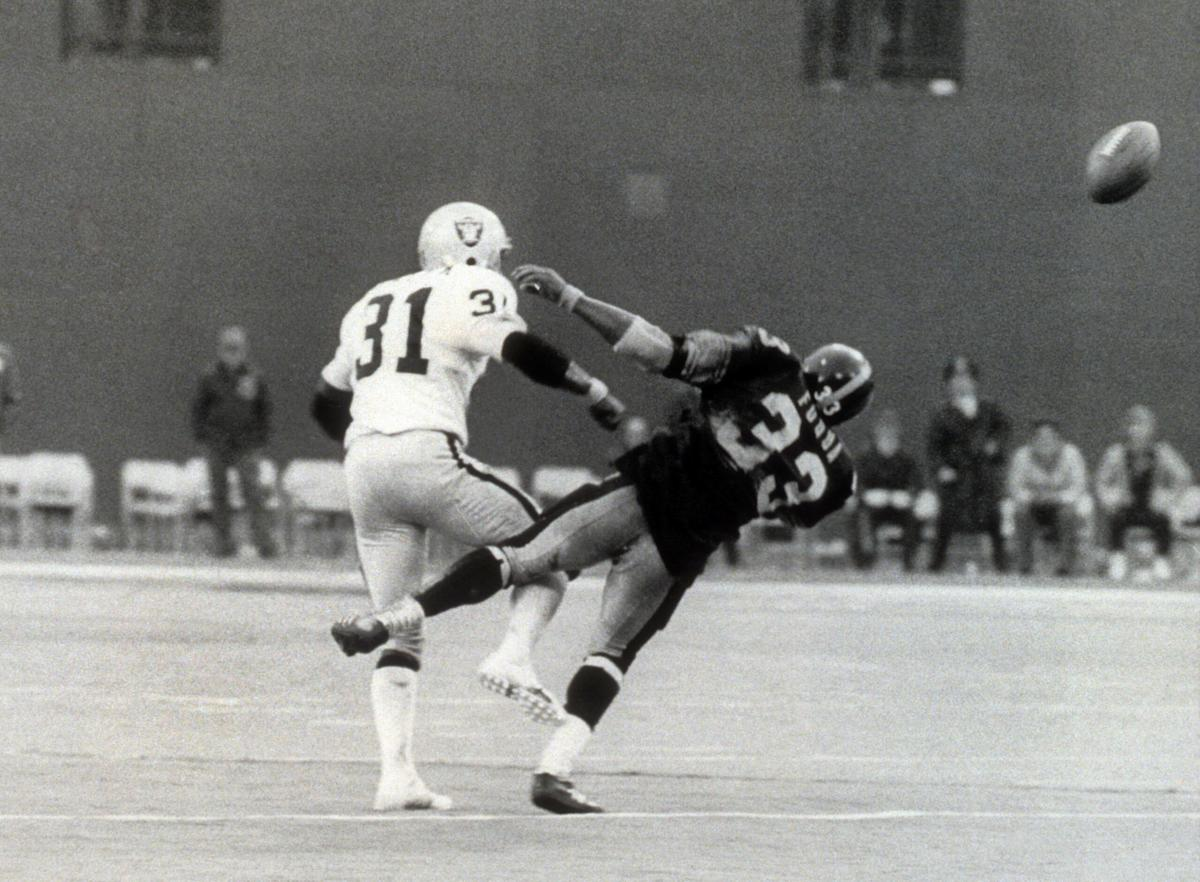
The controversial call most often referenced as “the one from 50 years ago” is the Immaculate Reception, a last-second play from a 1972 AFC playoff game between the Pittsburgh Steelers and the Las Vegas Raiders (then Oakland).
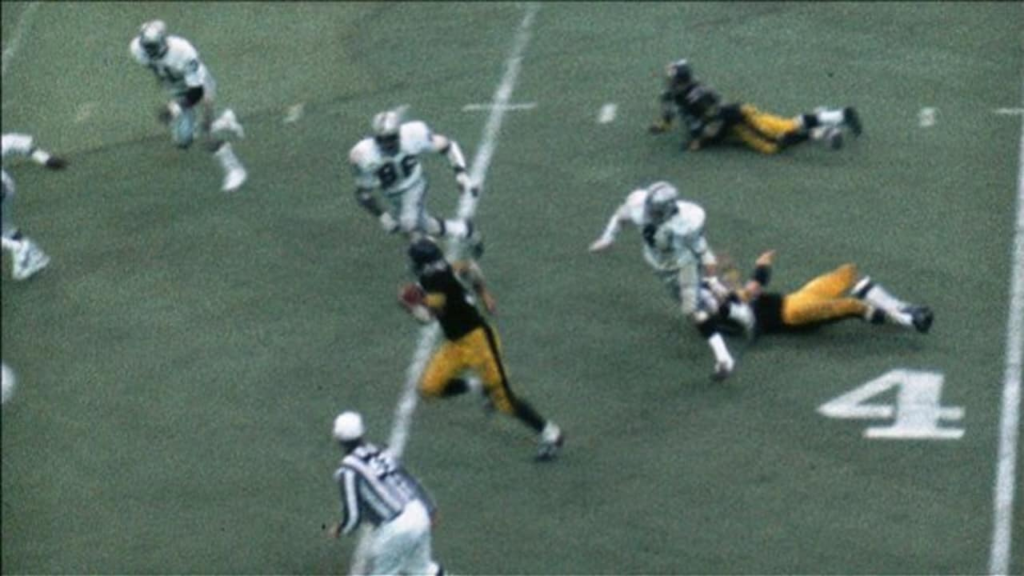
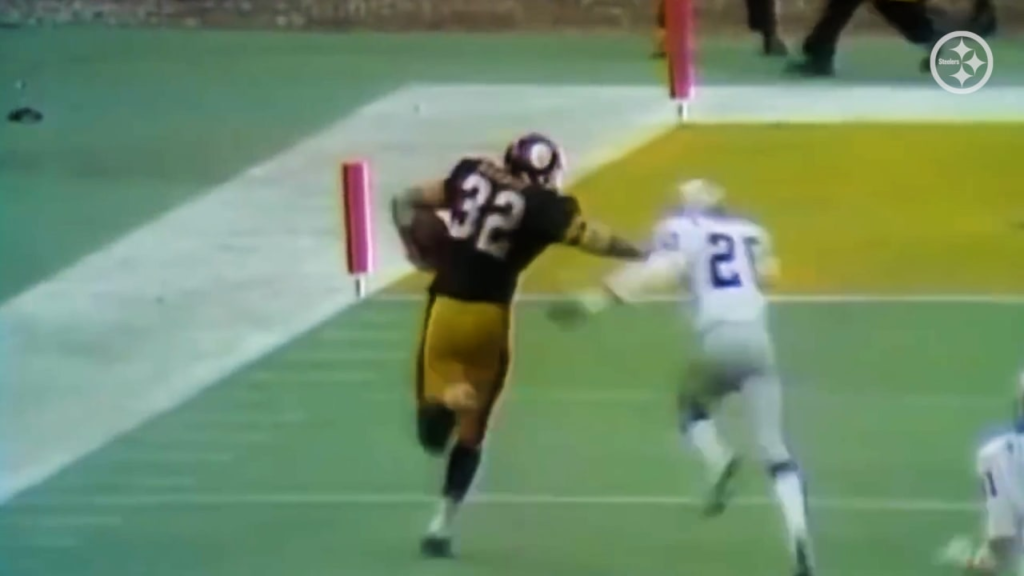
With under 30 seconds left, the Steelers trailed and faced what looked like a season-ending situation. Quarterback Terry Bradshaw threw a desperate pass into heavy traffic. The ball deflected, changed direction, and was caught inches above the turf by Franco Harris, who ran it in for a game-winning touchdown.
The stadium exploded. But almost immediately, confusion set in.
Under the rules at the time, the play was legal only if the ball had been touched by a defensive player before Harris caught it. If it had touched an offensive player first, the pass was incomplete.
Officials ruled touchdown.
The Raiders protested. Fans erupted. And the argument began.
Why the Call Was So Controversial Under 1970s NFL Rules
Modern fans often wonder why such a call couldn’t be resolved cleanly. The answer lies in the limitations of the era.
In 1972:
- No instant replay existed
- Television cameras provided limited angles
- Officials relied entirely on real-time judgment
- Communication among referees was slow and informal
Officials conferred, checked with on-field judges, and made the best call they could under pressure. Once that decision was made, it was final.
There was no review booth. No slow motion. No official explanation issued to fans.
The ruling instantly became history—without ever being fully verified.
Why Fans Still Disagree After Half a Century
Even today, when fans watch the play in high definition, the argument doesn’t end.
Some angles suggest the ball contacted a Raiders defender. Other angles imply it may have brushed a Steelers receiver first. The footage is grainy, the timing tight, and perception subjective.
This is why the debate persists:
- Evidence is inconclusive
- Visual interpretation differs
- Team loyalty fills in the gaps
When certainty is impossible, belief takes over. Steelers fans see justice. Raiders fans see robbery. Neutral fans often admit they still don’t know.
That unresolved uncertainty is what keeps the argument alive.
How the Call Changed Two Franchises Forever
The impact of the Immaculate Reception went far beyond one playoff game.
For Pittsburgh, the win marked the dawn of a dynasty. The Steelers went on to dominate the 1970s, becoming one of the league’s most successful franchises. The play is remembered as the spark that ignited greatness.
For the Raiders, the loss became a symbol of injustice. It reinforced a distrust of officiating and contributed to a long-standing “us against the league” mentality that still defines Raider Nation.
One ruling:
- Launched one dynasty
- Deepened one rivalry
- Created two radically different legacies
Few calls in sports history have shaped the future this dramatically.
Did the NFL Ever Admit the Call Might Have Been Wrong?
This is one of the most searched questions about the play—and one of the most misunderstood.
The NFL never officially reversed the call or labeled it incorrect. However, in later years, the rule involved was rewritten and simplified. The confusing language that created the controversy was removed from the rulebook.
To many fans, that felt like a quiet acknowledgment without accountability.
The league’s position has always been consistent:
- The call was correct under the rules at the time
- Officials acted in good faith
- Rule changes were made for clarity, not correction
For skeptics, that explanation only deepened mistrust.
How This One Call Influenced NFL Rule Changes
While the NFL never publicly tied the rule changes directly to the Immaculate Reception, historians and former officials widely agree it accelerated reform.
Over time, the league introduced:
- Clearer definitions of legal catches
- Reduced reliance on ambiguous deflection rules
- Expanded replay review systems
The lesson was clear: unclear rules create permanent controversy.
That lesson continues to shape how the NFL updates its rulebook today.
Why This Moment Still Gets Mentioned in Modern NFL Debates
Whenever a controversial call happens today, fans instinctively reach back to this moment.
You’ll hear phrases like:
- “This will be debated for decades”
- “Another Immaculate Reception situation”
- “The NFL never learns”
The play has become shorthand for unresolved injustice. It’s the benchmark by which all other controversial calls are measured.
Modern disputes involving catch rules, pass interference, or replay decisions are often framed through the lens of this 50-year-old moment.
What This Call Reveals About Trust in NFL Officiating
At its core, this controversy isn’t really about one play. It’s about trust.
Fans understand that referees are human. What they struggle with is ambiguity without closure.
This call taught generations of fans that:
- Outcomes can hinge on interpretation
- Rules aren’t always clear
- The league doesn’t always revisit the past
That realization fundamentally changed how fans watch football. Games became debates. Rulebooks became common reading. Every close call became a potential controversy.
Real-Life Examples of Similar Lingering NFL Controversies
The Immaculate Reception opened the door to a pattern the league still grapples with.
Since then, fans have argued over:
- Disputed catches in playoff games
- Non-calls that altered championships
- Rules rewritten only after damage was done
Each new controversy revives the same fear:
Will we still be arguing about this in 50 years?
Why Younger Fans Still Care About a 1972 Call
Younger fans weren’t alive in 1972, but they inherit the debate.
Through documentaries, social media clips, and endless breakdown videos, they discover that NFL history isn’t just about greatness—it’s about gray areas.
For them, the play isn’t nostalgia. It’s a warning.
It shows how:
- Technology matters
- Transparency matters
- Clear rules matter
And how the absence of those things can echo forever.
Key Takeaways (Pointers Section)
- The call exposed flaws in rule clarity
- No replay meant no closure
- One ruling reshaped two franchises
- Quiet rule changes fueled suspicion
- The debate became cultural, not factual
Frequently Asked Questions (Trending NFL Searches)
1. What was the controversial NFL call from 50 years ago?
The Immaculate Reception ruling from a 1972 playoff game.
2. Why is it still debated today?
Because video evidence remains inconclusive and the rules were unclear.
3. Did the NFL ever admit the call was wrong?
No official reversal or admission was issued.
4. Did the rule change because of it?
Yes, similar rules were later clarified and simplified.
5. Who benefited most from the call?
The Pittsburgh Steelers, whose dynasty followed.
6. Who was hurt the most?
The Raiders, who lost a playoff game under disputed circumstances.
7. Could instant replay have solved it?
Possibly—but even modern angles remain debated.
8. Why does this matter in today’s NFL?
It shaped how fans view officiating fairness and transparency.
9. Is this the most controversial call in NFL history?
Many fans consider it the most enduring.
10. What lesson did the NFL learn?
Ambiguity in rules creates permanent controversy.
Practical Lessons for Today’s NFL Fans
For modern viewers, the takeaway is simple: football will always involve judgment calls, but clarity and transparency can reduce lasting damage.
Fans want:
- Clear explanations
- Consistent enforcement
- Acknowledgment when systems fail
The NFL has improved dramatically since 1972, but the shadow of that call reminds everyone what happens when clarity comes too late.
Final Thoughts: Why This Call Will Never Stop Haunting the NFL
Some moments fade with time. This one didn’t.
The controversial call from 50 years ago still haunts the NFL because it represents something unresolved—not just in the rulebook, but in the collective memory of fans.
Football is a game of inches, seconds, and judgment. When judgment decides history, memory refuses to let go.
That’s why, decades later, this call isn’t just remembered.
It’s debated.
It’s relived.
And it remains woven into the fabric of the NFL forever.