NFL rivalries aren’t just sports matchups—they’re cultural feuds fueled by geography, history, heartbreak, and unforgettable moments. This in-depth guide explores the shocking origins of the NFL’s biggest rivalries, explains why fans still take them personally, and shows how these clashes continue to shape the identity, ratings, and emotional pull of the National Football League today.
Introduction: Why NFL Rivalries Feel So Personal
Ask any NFL fan to name their favorite team and you’ll likely hear pride. Ask them to name their least favorite team, and you’ll hear emotion—sometimes bordering on anger, sometimes mixed with humor, but never indifferent.
NFL rivalries are different from most sports rivalries because they are deeply personal. They’re tied to where fans live, how they grew up, and which team their parents hated before they were even old enough to understand football. In many American households, rivalries are inherited like family traditions.
Unlike leagues that play dozens of games a season, the NFL offers very few chances for revenge. Each matchup carries weight. When two rivals meet, fans don’t see just a game—they see history replaying itself.
This article dives deep into the shocking history behind the NFL’s biggest rivalries, revealing how they started, what moments intensified them, and why they still dominate conversations decades later.
What Makes an NFL Rivalry Truly “Big”?
Not every divisional matchup becomes legendary. A true NFL rivalry earns its reputation over time.
The biggest rivalries usually share these traits:
- Decades of competition
- High-stakes games with playoff or Super Bowl implications
- Geographic or cultural tension between cities
- Iconic controversial moments
- Fan bases that refuse to forget past pain
When those elements collide, rivalries stop being games and start becoming events.
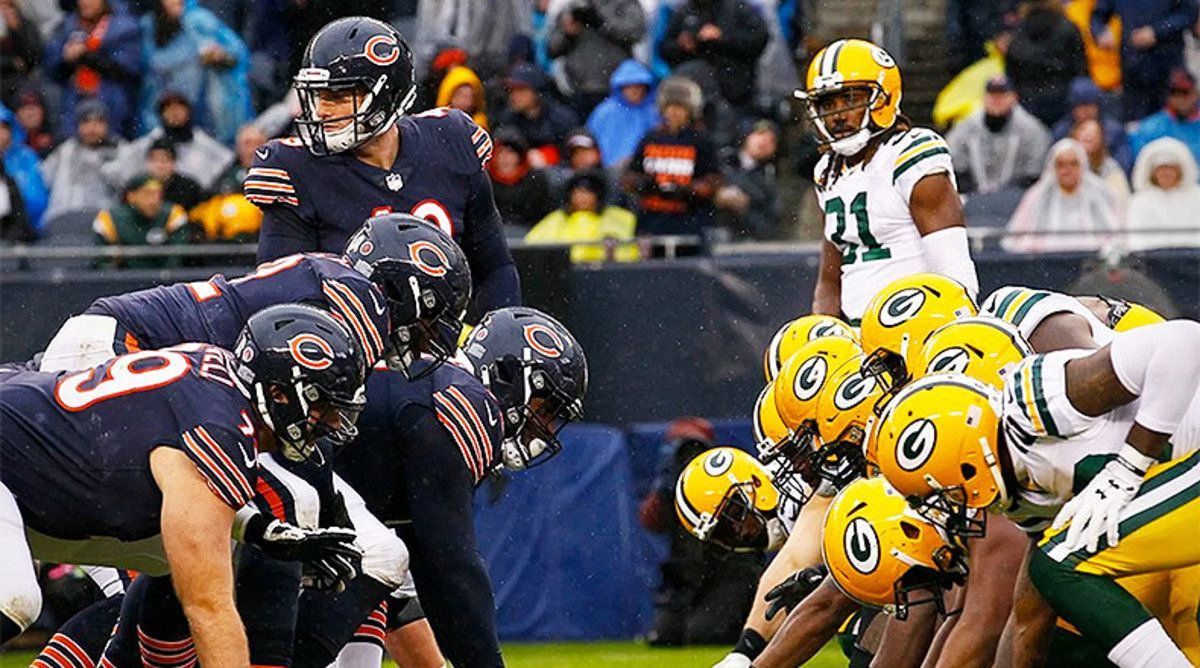
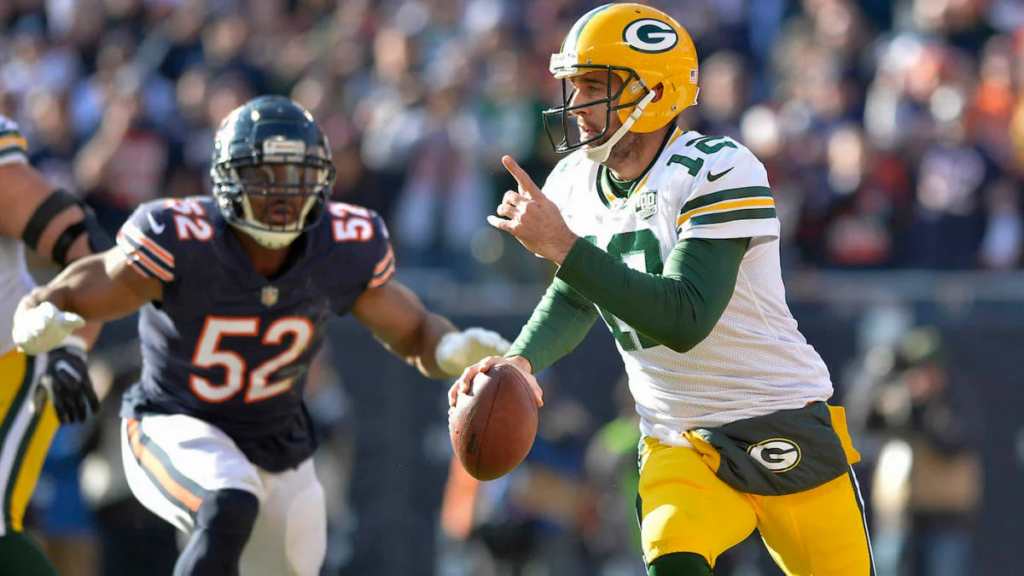
Bears vs. Packers: The Rivalry That Built the NFL
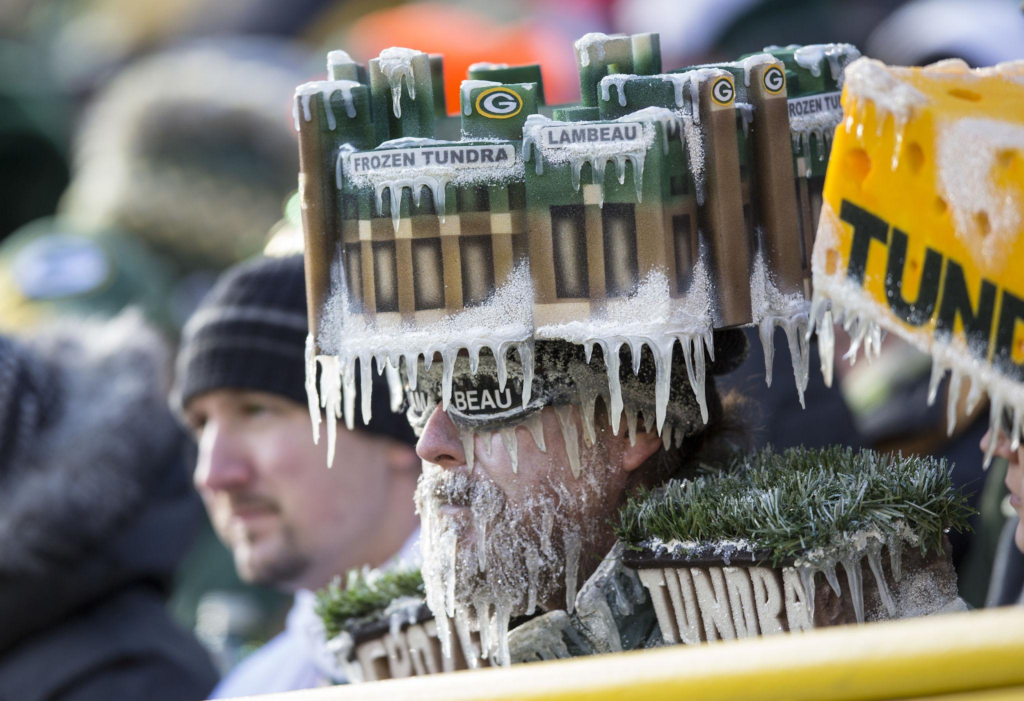
No rivalry better represents the foundation of professional football than **Chicago Bears vs. Green Bay Packers.
First played in 1921, this is the oldest continuous rivalry in NFL history. It predates the Super Bowl, the modern draft, and even widespread television coverage.
In the early days, Chicago represented the booming industrial city, while Green Bay symbolized small-town survival. Power struggles within the young league often mirrored this rivalry.
What makes it shocking isn’t just longevity—it’s endurance. Even during down years, the hatred never fades. Fans still plan entire seasons around these games.
This rivalry didn’t grow alongside the NFL—it shaped it.
Cowboys vs. Eagles: When Disrespect Became Tradition
Few rivalries are as openly hostile as **Dallas Cowboys vs. Philadelphia Eagles.
This feud intensified during the Super Bowl era, when Dallas became nationally branded as “America’s Team,” while Philadelphia embraced its identity as tough, loud, and unapologetic.
Every matchup feels personal:
- Trash talk dominates headlines
- Fans invade each other’s stadiums
- Wins are celebrated like championships
What shocks outsiders is how much pride both fan bases take in the rivalry itself. The hostility isn’t hidden—it’s celebrated.
Steelers vs. Raiders: When One Play Changed Everything
The rivalry between the Pittsburgh Steelers and the Las Vegas Raiders is rooted in one of the most controversial moments in sports history.
The Immaculate Reception in the 1972 playoffs didn’t just decide a game—it rewrote legacies. A disputed call launched the Steelers dynasty and left Raiders fans convinced the league had robbed them.
To this day:
- Raiders fans still argue the call was illegal
- Steelers fans see it as destiny
- Neutral fans still debate the footage
That unresolved tension is what keeps the rivalry alive decades later.
49ers vs. Cowboys: Dynasties at War
In the 1980s and 1990s, the NFL ran through two teams: the San Francisco 49ers and the Dallas Cowboys.
These teams met repeatedly in NFC Championship Games, with Super Bowl appearances on the line almost every time. Legends were born—and defeated—during these clashes.
What makes this rivalry shocking is how it resurfaces instantly. Even after years of inactivity, one playoff matchup is enough to reignite decades-old emotions.
History makes every meeting feel larger than the season itself.
Browns vs. Steelers: Close Neighbors, Endless Tension
Few rivalries are as geographically intimate as **Cleveland Browns vs. Pittsburgh Steelers.
The cities are only a few hours apart and share blue-collar roots. That closeness fuels the tension. Fans work together, live near each other, and argue constantly.
For years, Steelers dominance only intensified Browns frustration. Every Cleveland win feels like a small act of revenge for decades of disappointment.
This rivalry thrives on proximity—and pride.
Giants vs. Eagles: Chaos in the NFC East
The **New York Giants vs. Philadelphia Eagles rivalry is unpredictable and often ugly.
Games are frequently decided late. Playoff implications are common. Fan bases clash loudly, both online and in stadiums.
What makes it shocking is how often chaos defines the matchup. No lead feels safe, and no loss is easily forgiven.
Chiefs vs. Raiders: Hatred Without Apology
The **Kansas City Chiefs vs. Raiders rivalry is raw and unapologetic.
This feud dates back to the AFL days and never softened. Even during rebuilding years, the hatred remained intact.
Fans expect:
- Physical games
- Loud stadiums
- Emotional reactions
This rivalry doesn’t depend on standings. It exists on principle.
Patriots vs. Jets: When Success Created Resentment
Before the Patriots dynasty, this rivalry was competitive. After it, the dynamic shifted dramatically.
The New England Patriots dominated the division for nearly two decades, while the New York Jets lived in constant comparison.
Every Jets upset felt historic. Every Patriots win deepened resentment.
What makes this rivalry shocking is how dominance—not parity—made it more emotional.
Why NFL Rivalries Matter More Than Ever Today
In the modern NFL:
- Players change teams frequently
- Coaches are replaced often
- Rosters turn over quickly
Rivalries provide continuity. They connect today’s games to yesterday’s memories.
They also:
- Drive TV ratings
- Fuel social media engagement
- Anchor primetime schedules
The league understands this and markets rivalry games aggressively—because fans respond emotionally, not rationally.
The Dark Side of NFL Rivalries
Rivalries aren’t always healthy.
Some have included:
- On-field fights
- Fan altercations
- Dangerous behavior
The NFL constantly balances promoting passion with maintaining safety. Rivalries are powerful—and sometimes volatile.
Key Takeaways (Pointers Section)
- NFL rivalries are built over decades, not seasons
- Geography and culture matter as much as talent
- One controversial moment can fuel lifelong hatred
- Rivalries survive rebuilds and losing years
- Fans inherit rivalries like family traditions
Frequently Asked Questions (Trending NFL Searches)
1. What is the biggest rivalry in NFL history?
Bears vs. Packers is widely considered the oldest and most historic rivalry.
2. Which NFL rivalry is the most intense today?
Cowboys vs. Eagles and Chiefs vs. Raiders are often cited.
3. Do NFL players feel rivalries as strongly as fans?
Many do, especially in long-standing divisional matchups.
4. Why do NFL rivalries last so long?
Limited games, high stakes, and shared history keep them alive.
5. What rivalry has the most controversial moments?
Steelers vs. Raiders is often mentioned due to historic officiating debates.
6. Are rivalries stronger in certain divisions?
Yes—NFC East and AFC North are especially rivalry-heavy.
7. Do rivalry games increase TV ratings?
Yes, rivalry games consistently draw higher viewership.
8. Can newer teams develop major rivalries?
Yes, but it usually takes years of meaningful games.
9. Which rivalry has the most passionate fans?
This varies, but Eagles, Raiders, Packers, and Cowboys fans rank high.
10. Will NFL rivalries ever disappear?
Some cool off, but the biggest ones never fade completely.
Practical Advice for Fans Attending Rivalry Games
If you plan to attend a rivalry game:
- Expect heightened emotions
- Respect local fan culture
- Avoid escalating confrontations
- Celebrate wins with humility
Rivalry games are unforgettable—but awareness matters.
Final Thoughts: Why NFL Rivalries Are the League’s Lifeblood
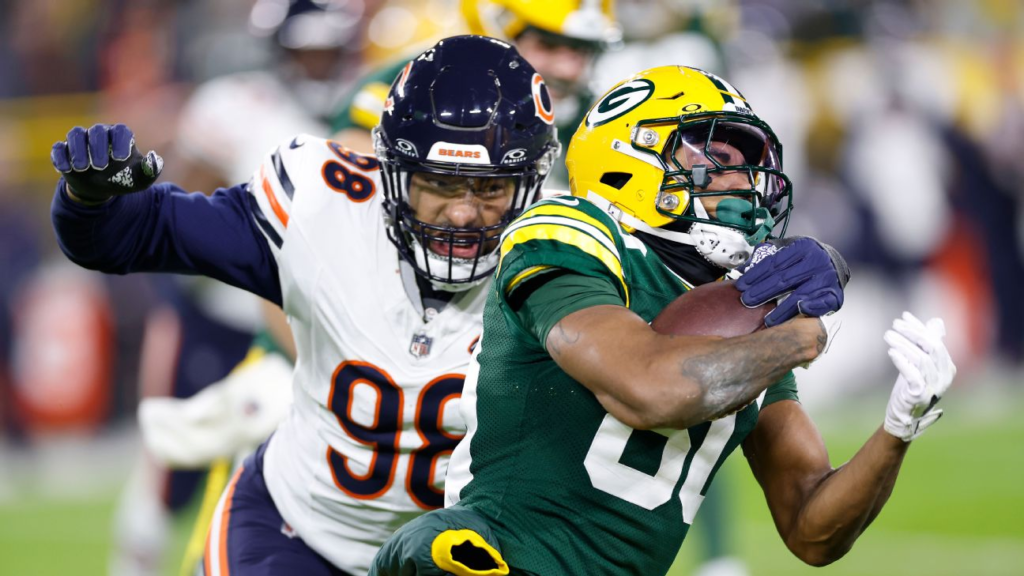
NFL rivalries are shocking not because they’re loud, but because they endure.
They survive rule changes, free agency, coaching turnover, and even losing seasons. They remind fans why football feels personal and why certain games carry more weight than others.
You can rebuild a roster.
You can change a coach.
But you can’t erase history.
That’s why the NFL’s biggest rivalries don’t fade—they evolve, intensify, and continue to define American sports culture year after year.