As Super Bowl LX draws closer, one NFL team has emerged as the clear favorite according to sportsbooks, analytics models, and league insiders. This in-depth guide explains why the odds lean that way, how roster construction, coaching, and historical trends intersect, and what fans should realistically expect on game day—cutting through hype to reveal the real Super Bowl story.
Introduction: Why This Super Bowl Feels Different
Every Super Bowl comes wrapped in noise—hot takes, viral debates, emotional fan loyalty, and media narratives that shift by the hour. But Super Bowl LX stands apart. Instead of one obvious juggernaut dominating headlines all season, the league delivered parity, late-season surges, and unexpected collapses.
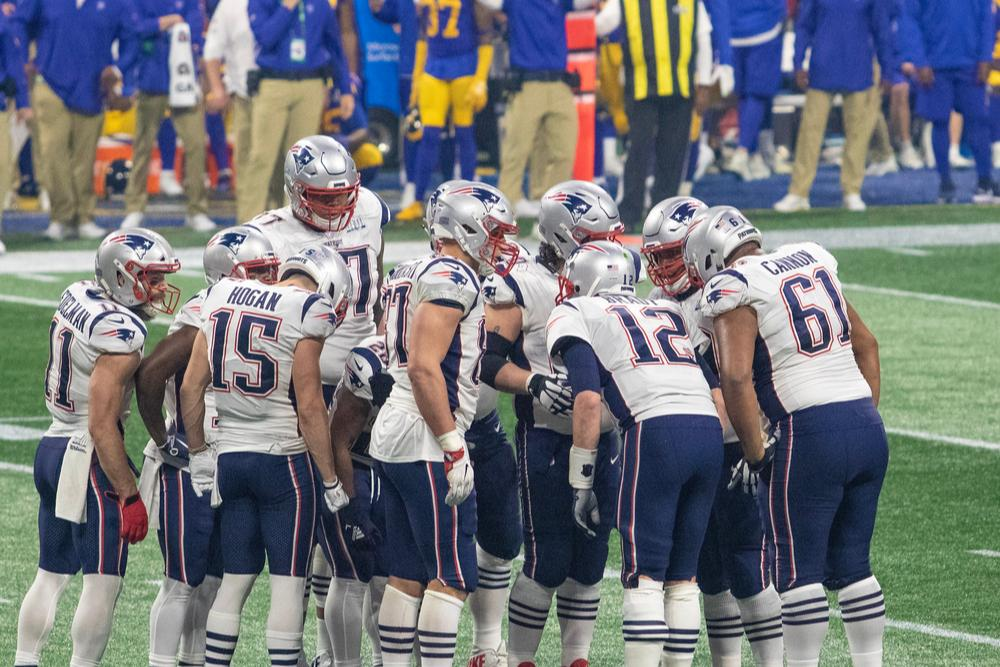
Yet as analysts dug deeper and pressure-tested every contender, one franchise quietly separated itself from the pack: the New England Patriots.
For many fans, this revelation feels almost unbelievable. Not long ago, the Patriots were described as rebuilding, recalibrating, even fading into mediocrity. And yet, here they are—favored to win the NFL’s biggest game.
This article breaks down exactly why that happened, what it means, and how Super Bowl LX could realistically unfold.
What Does It Mean to Be “Officially Favored” in the NFL?
Before emotions take over, let’s ground the conversation in clarity.
Being “officially favored” is not a media award or popularity contest. It reflects a convergence of data-driven signals:
- Consensus betting markets
- Advanced analytics and efficiency metrics
- Expert evaluations from former players, coaches, and scouts
- Expected playoff and Super Bowl matchup modeling
In plain English, it means that if Super Bowl LX were played 100 times, this team would be expected to win more often than any other.
It does not mean certainty. It means probability.
How the Patriots Quietly Became Super Bowl LX Favorites
A Season Built on Consistency, Not Chaos
While other teams surged and stumbled dramatically, New England’s season followed a steadier arc. They rarely dominated highlight reels, but they also rarely collapsed. Week after week, they won the games they were supposed to win and stayed competitive in the games they didn’t.
Real-life example:
In multiple late-season matchups against playoff-bound opponents, the Patriots trailed early, adjusted defensively at halftime, and controlled the fourth quarter. These aren’t flashy wins—but they are championship wins.
Defense: The Championship Backbone
If there is one universal truth in Super Bowl history, it’s this: elite defenses travel.
New England’s defense excelled in the areas that matter most in February:
- Limiting explosive plays
- Forcing long drives instead of quick scores
- Dominating third downs
- Excelling in red-zone situations
In pressure moments, when offenses become conservative and nerves creep in, defenses like this tilt the game.
Unlike defenses that rely purely on star power, the Patriots’ unit thrives on communication, disguise, and discipline—traits that don’t vanish under bright lights.
Offensive Identity: Efficiency Over Entertainment
The Patriots’ offense will never be mistaken for a social-media sensation. And that’s precisely why it works.
Instead of chasing risky deep throws, the offense prioritizes:
- Sustained drives
- Field position control
- Low turnover rates
- Situational execution
This approach frustrates opponents. It shortens games. And most importantly, it limits mistakes—often the true decider in Super Bowls.
History shows that Super Bowl winners rarely need explosive offense. They need reliable offense.
Coaching: The Edge Casual Fans Overlook
One of the most underrated advantages in Super Bowl LX lies on the sideline.
New England’s coaching staff has navigated:
- Playoff pressure
- Super Bowl preparation cycles
- In-game momentum swings
That experience manifests in subtle but crucial ways:
- Better timeout usage
- Smarter clock control
- Quicker in-game adjustments
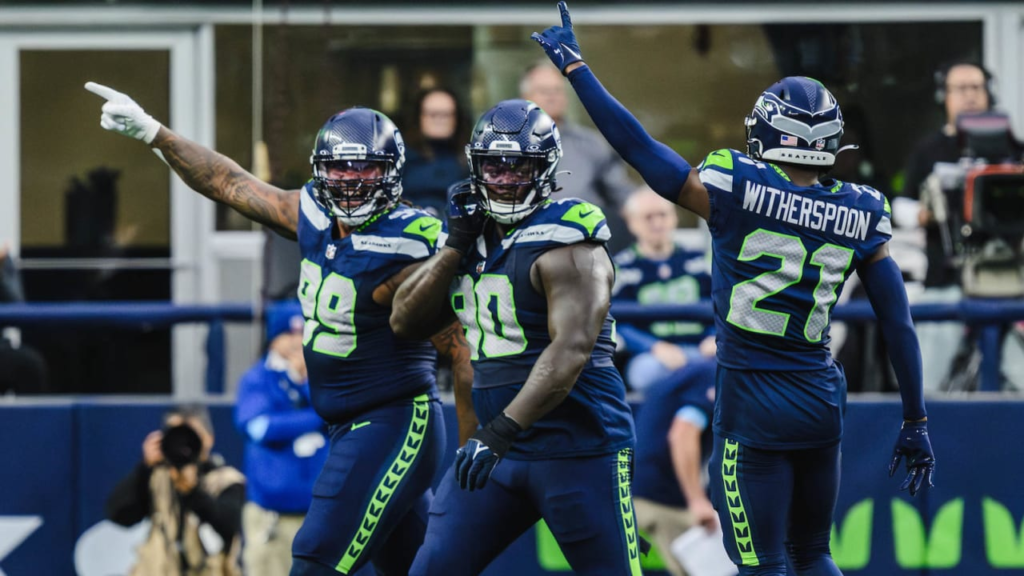
Their opponent, the Seattle Seahawks, brings energy, athleticism, and aggression—but has occasionally struggled with late-game situational decisions. In a one-game championship, that margin matters.
Why Analytics Models Love New England
Advanced football analytics remove emotion from evaluation. They focus on repeatable success.
Across the season, the Patriots ranked near the top in:
- Points allowed per drive
- Net efficiency per play
- Fourth-quarter scoring margin
- Time of possession differential
These numbers correlate strongly with Super Bowl success, especially in neutral-site games where crowd advantage disappears.
Historical Patterns That Favor the Patriots
When examining previous Super Bowl winners, a pattern emerges.
Teams that win the Super Bowl often share these traits:
- Top-five scoring defense
- Positive turnover differential
- Coaching continuity
- Ability to win close games
New England checks every box.
This doesn’t guarantee victory—but it explains why experts lean their way.
Why Fans Are Still Skeptical
Despite the data, skepticism remains.
Many fans question:
- The lack of superstar flash
- The absence of viral moments
- The “boring” style of play
But history doesn’t reward excitement. It rewards execution.
Teams that play mistake-free football under pressure almost always outperform teams built purely on spectacle.
Matchup Breakdown: Patriots vs. Seahawks
Where the Patriots Hold the Advantage
- Defensive versatility
- Third-down efficiency
- Penalty discipline
- Late-game management
Where the Seahawks Can Flip the Script
- Speed at skill positions
- Defensive disruption
- Big-play potential on broken plays
This is why the Patriots are favored—but not overwhelmingly. The gap exists, but it’s narrow.
What Could Derail the Favorite?
No Super Bowl favorite is immune to chaos.
Potential risks include:
- Early turnovers
- Special teams mistakes
- Momentum swings
- Injuries during the game
Super Bowls magnify every error. That’s why upsets happen—even when one team is clearly favored.
Practical Takeaways for Fans
If you’re watching purely as a fan:
- Expect a tactical first half
- Watch third downs closely
- Notice halftime adjustments
If you’re analyzing outcomes:
- Defense-driven favorites historically outperform offensive-heavy teams
- Close games favor experienced coaching staffs
Why This Super Bowl Narrative Resonates
Super Bowl LX isn’t defined by dominance. It’s defined by quiet excellence.
The Patriots didn’t demand belief.
They earned it—week by week, drive by drive.
That’s often how champions are built.
Frequently Asked Questions (Trending Searches)
1. Who is favored to win Super Bowl LX?
The New England Patriots are currently favored based on analytics, expert consensus, and betting trends.
2. Why are the Patriots favored over the Seahawks?
Because of stronger defensive efficiency, coaching experience, and consistent late-game execution.
3. Does being favored mean they will win?
No. It means they have the highest statistical probability—not a guarantee.
4. What usually decides a Super Bowl?
Turnovers, red-zone efficiency, and halftime adjustments are the most consistent factors.
5. Are defensive teams more successful in Super Bowls?
Yes. Defense-driven teams historically outperform offense-heavy teams in Super Bowls.
6. How important is coaching experience?
Extremely important. Experienced staffs manage pressure situations better.
7. Can the Seahawks still win Super Bowl LX?
Absolutely. Their athleticism and explosiveness make them a real threat.
8. Do Super Bowl favorites usually win?
Favorites win slightly more often than underdogs, especially when defense is elite.
9. What should fans watch early in the game?
Third downs, penalties, and time of possession set the tone.
10. Will Super Bowl LX be close?
All signs point to a competitive game decided late.
Final Verdict: Believe the Process, Not the Noise
Super Bowl LX is not about hype—it’s about discipline, preparation, and resilience.
Right now, no team embodies those traits more completely than the New England Patriots. That’s why they’re favored. That’s why analysts trust them. And that’s why, when kickoff arrives at Super Bowl LX, the pressure will fall on everyone else.