NFL power rankings reveal far more than weekly opinions—they uncover momentum, timing, and hidden contenders. This in-depth analysis exposes which NFL teams are peaking at the perfect time and why late-season performance often outweighs early dominance. Using real examples, expert insights, and historical trends, this guide shows how to read power rankings intelligently and predict postseason success with greater accuracy.
Introduction: Why NFL Power Rankings Suddenly Matter More Than Ever
Every NFL fan has seen it happen.
A team dominates the early part of the season, sits comfortably near the top of the standings, and dominates headlines—only to fall apart when the games matter most. Meanwhile, another team quietly improves week by week, climbs power rankings slowly, and suddenly becomes the most dangerous opponent in the league.
This is not coincidence. It is timing.
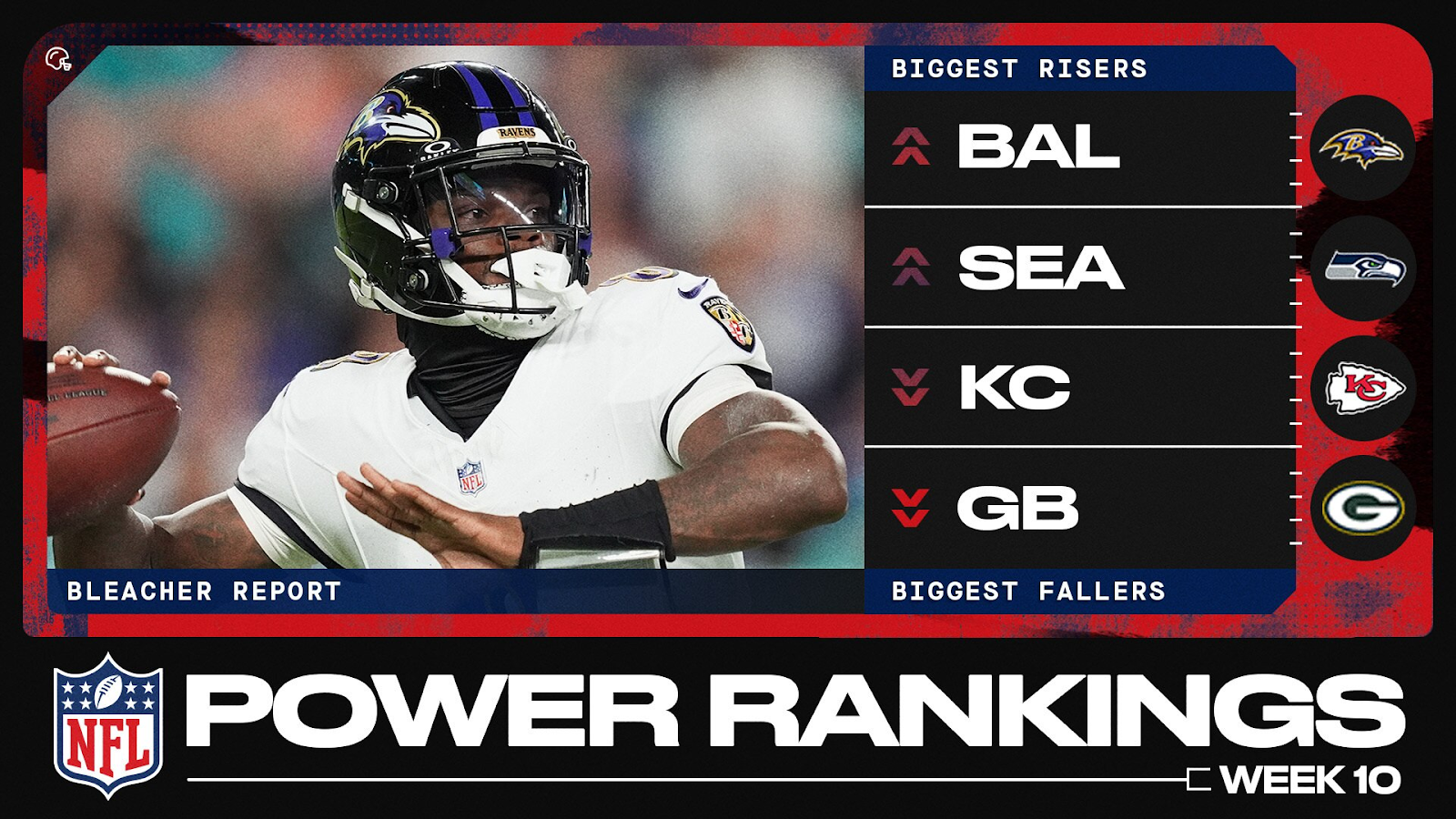
NFL power rankings are often dismissed as media fluff or clickbait lists. But when analyzed correctly, they provide one of the clearest windows into which teams are peaking at exactly the right moment.
Late-season football is different. Defenses tighten. Injuries accumulate. Coaching decisions are magnified. Teams that rely solely on talent often fade, while teams built on execution and adaptability rise.
This article exposes:
- What NFL power rankings really measure
- Why late-season movement matters more than early dominance
- Which types of teams peak at the perfect time
- How fans can read rankings like analysts
- Why timing—not hype—wins championships
If you’ve ever wondered why power rankings seem “wrong” until the playoffs prove them right, this guide will change how you see the NFL.
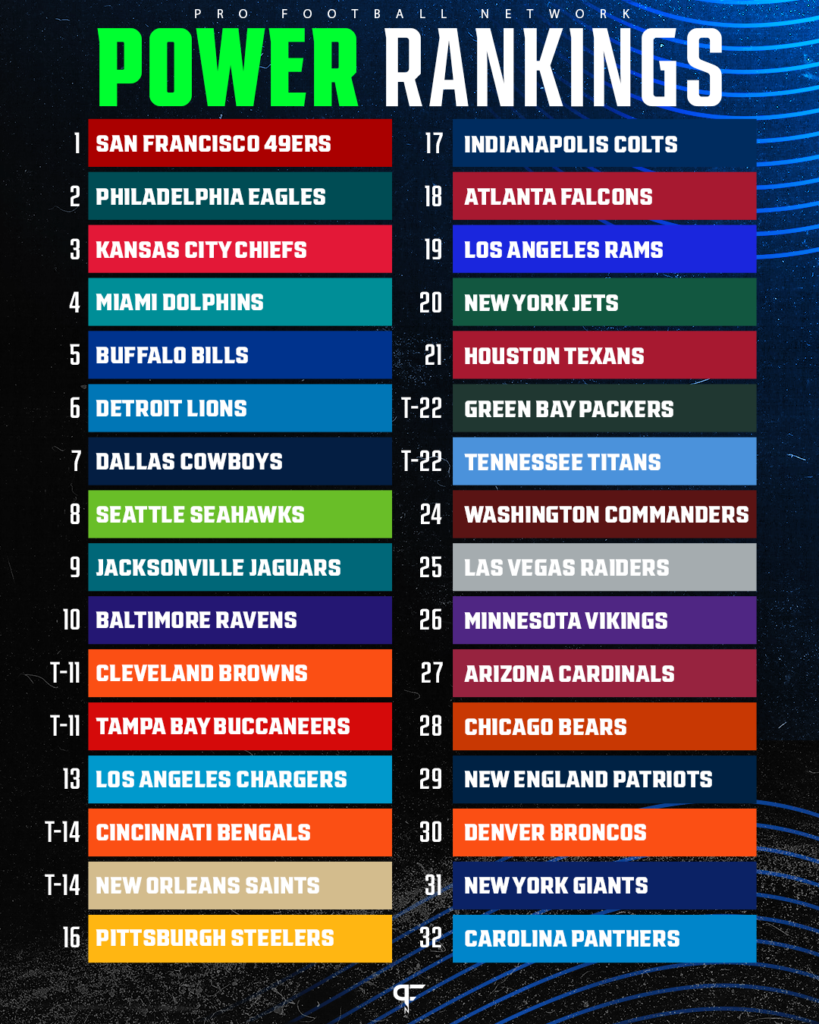
What Are NFL Power Rankings Actually Measuring?
NFL power rankings are not standings. They are not projections. And they are not predictions in the traditional sense.
At their best, power rankings answer one question:
If every team played today on a neutral field, who would win?
That question shifts weekly based on real performance, not reputation.
Power rankings typically factor in:
- Recent game performance rather than full-season record
- Quality of opponents faced
- Offensive and defensive efficiency
- Injury impact and roster depth
- Coaching effectiveness and adaptability
This is why a team with a worse record may rank above a team with more wins. Power rankings focus on how well a team is playing right now, not how they played two months ago.
Why Timing Matters More Than Talent in the NFL
The NFL season is a war of attrition.
Teams that peak early often do so because:
- Their schemes surprise opponents
- Their rosters are healthy
- Opposing defenses haven’t adjusted
But by November and December, those advantages disappear.
Teams peaking late usually show:
- Improved execution
- Fewer mental mistakes
- Stronger chemistry
- Better situational awareness
History repeatedly proves this truth: The team playing the best football in December and January is rarely the team that dominated September.
Power rankings capture this shift before standings do.
Early Season Power vs Late Season Momentum
Winning early and winning late are two very different skills.
Early-season success often relies on:
- Athletic advantages
- Simplified game plans
- High-risk aggression
Late-season success depends on:
- Discipline
- Depth
- Coaching adjustments
- Situational mastery
Power rankings tend to penalize teams that win early but stagnate, while rewarding teams that improve quietly.
That is why fans are often shocked by ranking changes late in the year—those changes reflect reality catching up.
Which Teams Peak at the Perfect Time?
Teams that peak at the perfect time rarely dominate highlight reels. Instead, they dominate fundamentals.
They typically show:
- Consistent third-down conversion rates
- Improved red-zone efficiency
- Declining penalty totals
- Fewer turnovers per game
These teams may not look explosive, but they are reliable. And reliability wins playoff games.
Power rankings often elevate these teams weeks before fans notice them.
The Role of Injuries and Player Returns
One of the most overlooked aspects of power rankings is health timing.
Teams that lose key players early but get healthier late often surge dramatically. Conversely, teams that rely heavily on a few stars may crumble when those players slow down.
Late-season power rankings adjust for:
- Offensive line continuity
- Defensive rotation depth
- Snap management
- Recovery trends
This explains why some teams seem to “come out of nowhere” in December. They didn’t come out of nowhere—they finally became whole.
Coaching Adjustments Separate Contenders from Pretenders
In September, talent wins games. In December, coaching wins seasons.
Late-season power rankings heavily reward:
- Halftime adjustments
- Clock management
- Fourth-down decision quality
- Personnel flexibility
Coaches who adapt week to week consistently push their teams higher in rankings—even without elite rosters.
This is why veteran coaching staffs often see late surges while inexperienced teams stall.
Defense Wins in December and January
Early in the season, offense grabs attention. Late in the season, defense controls outcomes.
Power rankings late in the year emphasize:
- Red-zone defense
- Third-down stops
- Turnover creation
- Run defense consistency
Explosive offenses often struggle against disciplined defenses in cold weather and high-pressure games.
That shift is reflected clearly in late-season rankings.
Strength of Schedule Changes Everything
Not all wins are created equal.
Power rankings evaluate:
- Who teams beat
- How convincingly they won
- Whether performances were repeatable
A narrow win against a struggling team carries less weight than a competitive loss against an elite opponent.
This is why fans often see their team drop after a win—and why analysts remain calm about it.
Momentum Is Real—But Not How Fans Think
Momentum is not emotion. It is execution.
Teams with real momentum:
- Convert third downs
- Protect the football
- Limit penalties
- Finish drives
Power rankings measure these behaviors over time, not emotional swings.
Fans feel momentum. Rankings quantify it.
Why Fans Often Disagree with Power Rankings
Power rankings challenge identity.
Fans see:
- Team loyalty
- Emotional investment
- Highlight plays
Rankings see:
- Efficiency
- Sustainability
- Trend direction
When rankings conflict with fandom, discomfort follows. That discomfort often signals insight.
Case Studies: Teams That Peaked at the Perfect Time
Across multiple NFL seasons, championship contenders shared a common trait—they were not dominant wire-to-wire.
They:
- Improved steadily
- Stayed healthy late
- Played clean football
- Executed under pressure
Power rankings flagged them before fans believed.
The playoffs confirmed the rankings.
Where Power Rankings Can Fail
Power rankings are not flawless.
They struggle with:
- Sudden injuries
- Extreme weather conditions
- One-game anomalies
However, over the long term, they outperform gut instincts and hot takes.
Consistency beats emotion.
How to Read NFL Power Rankings Like an Analyst
You don’t need advanced metrics to use power rankings intelligently.
Focus on:
- Directional movement over multiple weeks
- Consensus across multiple ranking sources
- Matchup-specific strengths
Ignore single-week outrage. Track trends.
Practical Takeaways for NFL Fans
If you want to identify teams peaking at the perfect time, watch for:
- Rising rankings without media hype
- Defensive improvement
- Offensive efficiency over explosiveness
- Coaching stability
These signals predict postseason success better than standings.
Frequently Asked Questions (Trending NFL Searches)
1. What do NFL power rankings actually represent?
They reflect current team strength, not total wins.
2. Why do teams drop in rankings after winning?
Because performance quality matters more than outcomes alone.
3. Are power rankings better than standings?
They serve different purposes. Rankings track form, standings track results.
4. Do late-season power rankings predict playoff success?
Yes. Teams ranked highly late often outperform expectations.
5. Why do fans dislike power rankings?
They challenge emotional narratives and team loyalty.
6. Which stats matter most late in the season?
Defense, turnovers, red-zone efficiency, and penalties.
7. Can underdogs rise quickly in power rankings?
Yes, especially when efficiency and health improve.
8. Do analysts agree on power rankings?
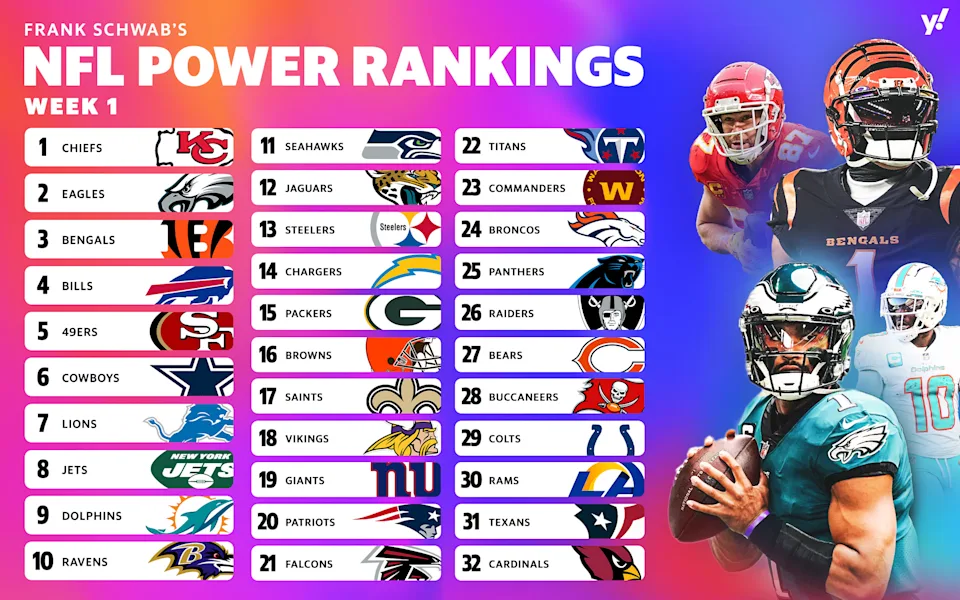
Exact order varies, but trends are usually consistent.
9. How often should fans check power rankings?
Weekly—but focus on multi-week movement.
10. Should bettors rely on power rankings?
They are valuable context, not standalone betting tools.
Final Thoughts: Timing Wins Championships
NFL power rankings do not crown champions. They reveal trajectories.
The teams peaking at the perfect time are not always the loudest, the flashiest, or the most hyped. They are the most prepared.
They execute. They adapt. They wait.
And when January arrives, they are ready.
If you want to understand the NFL beyond headlines, follow the rankings—not emotionally, but intelligently. The truth is already there.