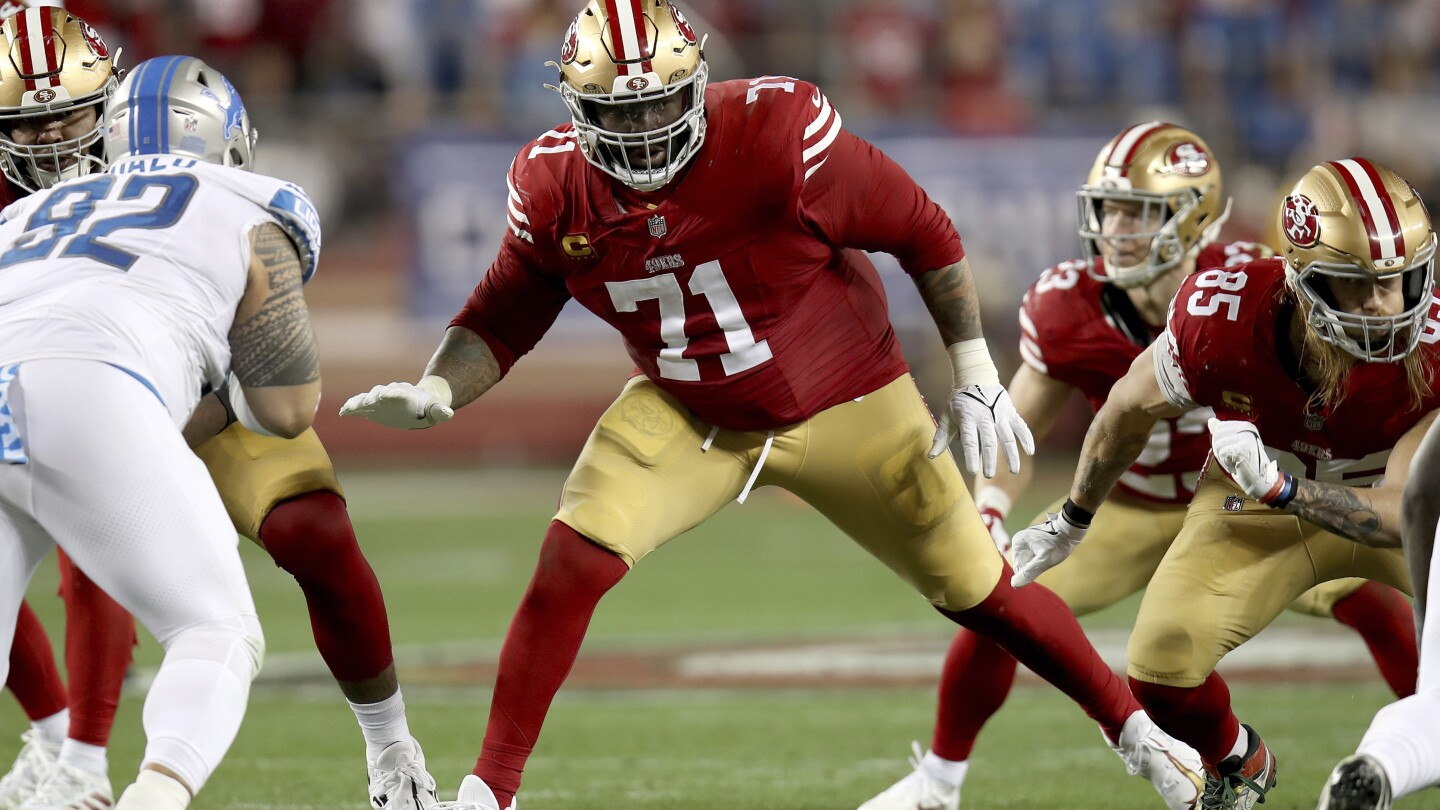
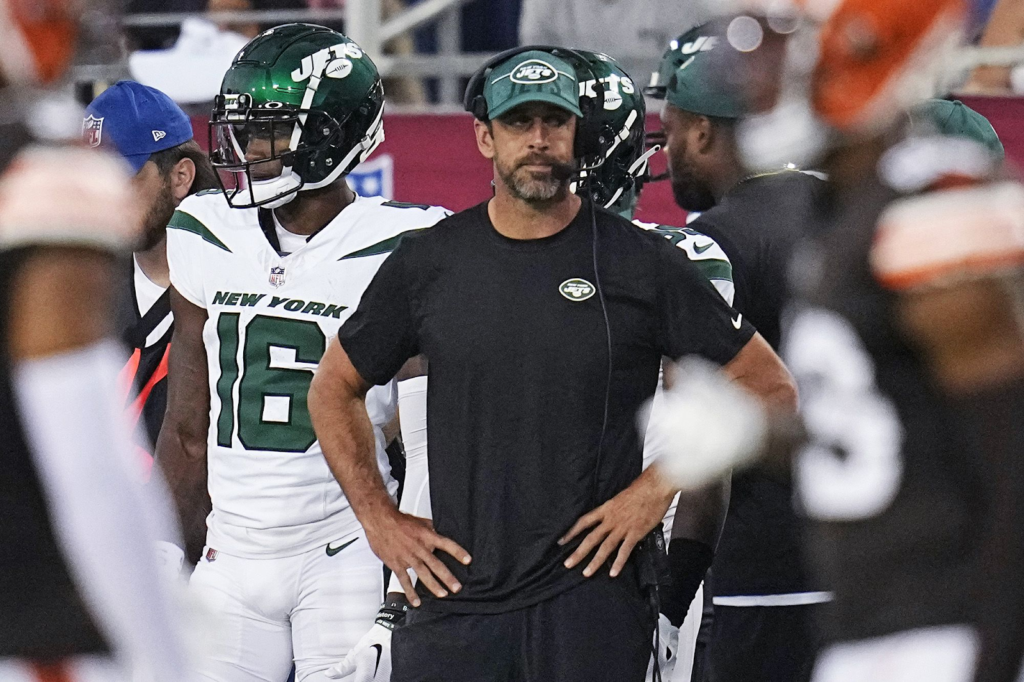
Retirement rumors surrounding a legendary NFL superstar have intensified, sparking emotional debate among fans and analysts. Fueled by injuries, age, cryptic interviews, and contract uncertainty, speculation is at an all-time high. This in-depth analysis explores what’s driving the rumors, how history guides expectations, and what a potential retirement would mean for the player, team, and league.
Introduction: When NFL Greatness Meets Uncertainty
Every era of the NFL is defined by a few transcendent figures—players who don’t just win games but shape the identity of the league itself. These are the athletes whose names dominate highlight reels, whose jerseys flood stadiums on Sundays, and whose performances become lifelong memories for fans. So when retirement rumors begin to swirl around a superstar of this magnitude, the NFL world stops and listens.
Right now, the spotlight is fixed on one of the most influential quarterbacks of the modern era, Aaron Rodgers, as speculation grows louder by the day. Social media debates rage, sports talk shows dedicate hours to analysis, and fans are left asking the same haunting question:
Is this the end of a superstar’s NFL career?
This article delivers a comprehensive, deeply researched, and emotionally grounded exploration of the retirement rumors that are dominating headlines—why they started, what history tells us, and what could happen next.
Why Are NFL Retirement Rumors Exploding Right Now?
NFL retirement rumors rarely appear overnight. Instead, they form slowly, fueled by patterns that fans and analysts have learned to recognize over decades.
In this case, several factors converged at once:
- An emotionally draining season filled with physical setbacks
- Noticeable changes in body language and postgame demeanor
- Vague responses when directly asked about the future
- A prolonged silence during the offseason
In the hyper-connected NFL media ecosystem, silence speaks volumes. When a superstar who once thrived in the spotlight becomes measured and introspective, speculation fills the void.
The Physical Toll: Has Age and Injury Finally Caught Up?
One of the most common questions Americans are searching for is:
“Is the superstar retiring because of injuries?”
Football is unforgiving. Even the most disciplined athletes cannot escape time forever.
The Reality of NFL Longevity
According to the NFL Players Association, the average NFL career lasts just 3.3 years. Quarterbacks—especially elite ones—often extend that window significantly, but longevity comes at a cost.
As players age, they face:
- Slower recovery between games
- Lingering injuries that never fully heal
- Reduced mobility and flexibility
- Increased risk of long-term health issues
Recent seasons have shown glimpses of this reality. Missed games, modified play styles, and extended recovery periods have all contributed to concern. While injuries alone rarely force retirement, they often push players toward deeper reflection.
Is Performance Declining—or Simply Evolving?
Another trending search query dominating Google:
“Is the NFL superstar still elite?”
Statistically, the answer isn’t black and white. Advanced metrics still show flashes of brilliance—elite accuracy, pre-snap intelligence, and situational mastery that younger quarterbacks struggle to replicate.
However, the eye test tells a more nuanced story.
There are moments where the superstar looks unstoppable—and others where pressure overwhelms protection. This isn’t unusual for veteran quarterbacks, but it raises a crucial internal question for the player:
Can I still be the reason we win championships?
History shows that many legends choose retirement not when they become average, but when they sense the gap closing.
What the Superstar’s Own Words Are Telling Us
Rarely do legends announce retirement impulsively. Instead, they signal it through tone and language.
Phrases frequently repeated in recent interviews include:
- “I’m going to take time to think about it.”
- “This game takes a lot out of you.”
- “I want to be fully committed—or not at all.”
To casual fans, these may sound harmless. To seasoned observers, they echo the exact language used by Peyton Manning and Drew Brees in the final chapters of their careers.
In the NFL, hesitation often precedes farewell.
The Business Side: Contracts, Salary Caps, and Hard Decisions
Beyond emotions and performance lies an unavoidable reality: money and roster construction.
Why Financial Factors Matter
NFL contracts for aging superstars are complex. They include:
- Guaranteed salary structures
- Dead-cap consequences
- Performance incentives
- Roster bonuses tied to availability
From a franchise perspective, retaining a superstar quarterback can limit flexibility. From the player’s perspective, retirement may protect legacy while avoiding uncomfortable transitions into mentorship roles or reduced expectations.
Many legends walk away not because they can’t play—but because they don’t want to compromise who they’ve always been.
History Repeats Itself: Lessons from Past NFL Legends
Fans often look backward to understand what comes next.
Real-Life Examples That Mirror Today
- Peyton Manning: Battled physical decline but exited with a Super Bowl ring
- Drew Brees: Fought through injuries while redefining efficiency
- Tom Brady: Retired, returned, and ultimately chose finality on his own terms
Each case reinforces one truth: retirement decisions are deeply personal and rarely rushed. Legends want control over their final chapter.
Is the Team Preparing for Life After the Superstar?
Another major search trend:
“Is the team moving on already?”
NFL front offices always plan for contingencies. Quiet signals of preparation may include:
- Drafting quarterbacks earlier than expected
- Adjusting offensive systems
- Building younger leadership cores
- Prioritizing cap flexibility
These moves don’t confirm retirement—but they acknowledge uncertainty. Teams rarely wait for official announcements before planning the future.
Fan and Locker Room Reactions: Emotion Meets Reality
Retirement rumors hit fans harder than most roster moves. Social media becomes a digital scrapbook filled with:
- Career highlight reels
- Thank-you messages
- Emotional debates
- Nostalgic reflections
Teammates, meanwhile, remain cautious. Public comments are respectful, supportive, and deliberately vague—honoring privacy while acknowledging uncertainty.
Inside the locker room, players understand something fans often forget: careers don’t last forever.
What Would Retirement Mean for the NFL Itself?
When a superstar retires, the ripple effects go far beyond one team.
The league feels it through:
- Lower TV ratings in key markets
- Reduced merchandise sales
- Shifts in prime-time scheduling
- The end of historic rivalries
New stars emerge, but the void left by legends is always felt. Sundays change when familiar faces disappear.
Could This Be Strategic Silence Instead of a Final Goodbye?
A growing theory among analysts:
Are retirement rumors being used as leverage?
In today’s NFL, uncertainty can influence:
- Contract negotiations
- Team leverage
- Media narratives
- Fan sentiment
By staying silent, players retain control. They decide when—and how—the story ends.
Legacy at Stake: Why Timing Matters More Than Ever
Legacy isn’t defined solely by numbers. It’s shaped by moments:
- Game-winning drives
- Leadership under pressure
- Reinventing the position
Walking away at the right time preserves greatness. Playing too long risks rewriting memory.
Legends understand this better than anyone.
Practical Takeaways for Fans Watching This Unfold
If you’re emotionally invested, here’s how to navigate the uncertainty:
- Appreciate every remaining snap
- Avoid reacting to every headline
- Trust that legends care deeply about their exit
- Prepare for change without rushing closure
Football is entertainment—but it’s also deeply human.
Frequently Asked Questions (Top Trending NFL Retirement Queries)
1. Is the superstar officially retiring from the NFL?
No official announcement has been made at this time.
2. Why are retirement rumors so strong this season?
Age, injuries, contract uncertainty, and ambiguous interviews have fueled speculation.
3. Has the player hinted at retirement before?
Yes, reflective language has surfaced in past offseasons as well.
4. Could the superstar return for one final season?
Yes, many legends choose one last run if motivation remains high.
5. Is the team preparing a replacement quarterback?
Most NFL teams quietly prepare for succession long before announcements.
6. Do teammates believe this is the final season?
Publicly, teammates remain supportive without confirmation.
7. How long do elite NFL quarterbacks usually play?
Very few maintain elite play beyond age 40.
8. Would retirement impact the team’s salary cap?
Short-term cap effects are likely, but long-term flexibility improves.
9. Can retirement decisions change suddenly?
Yes. Many legends decide just weeks—or days—before announcing.
10. What matters most in retirement decisions?
Mental readiness often outweighs physical ability.
Final Thoughts: Is This Truly the End?
So—is this the end of a superstar’s NFL career?
Maybe. Maybe not.
What’s undeniable is that we are witnessing a defining moment. When legends reach this crossroads, the decision transcends football. It becomes about identity, health, purpose, and legacy.
If this is the final chapter, it won’t be remembered for rumors—but for greatness. And if there’s one more run left, it will be watched with deeper appreciation than ever before.
Either way, the story has already secured its place in NFL history.