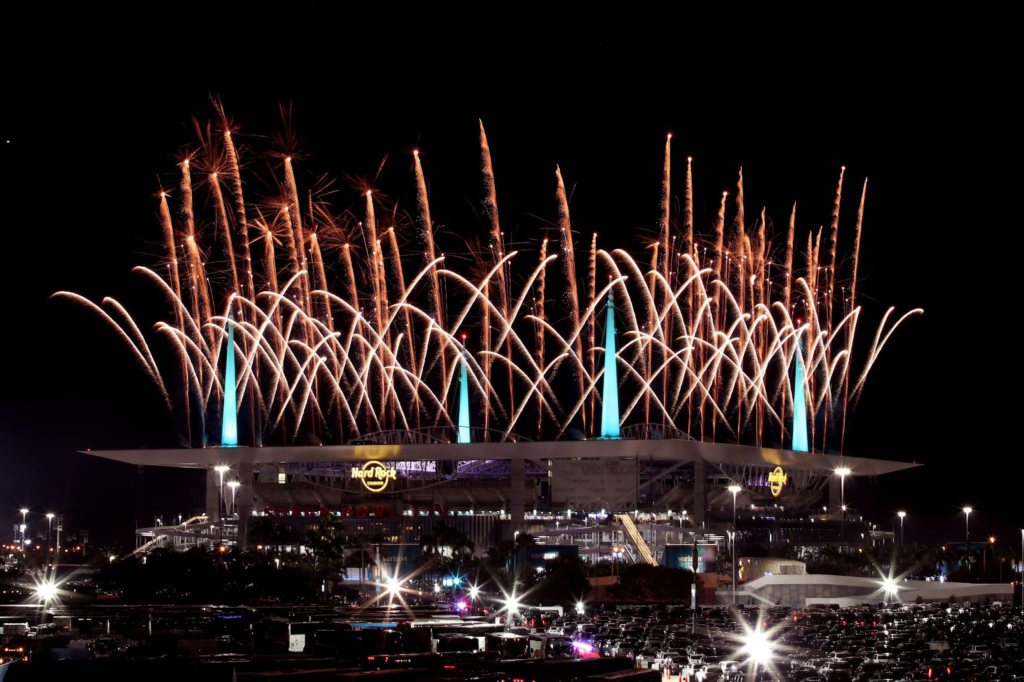
The Super Bowl halftime show is one of the most powerful stages in global entertainment—yet some mega pop stars have turned it down. This long-form analysis uncovers why a world-famous artist declined the opportunity, examining brand conflicts, creative control, cultural pressures, and career strategy. Using real-life examples and industry data, we explore what this decision reveals about power, fame, and modern celebrity influence.
Introduction: When the Biggest Stage in Sports Hears “No”
For decades, the Super Bowl halftime show has been treated as the ultimate seal of superstardom. It is the rare moment when sports, music, advertising, and culture collide into a single, globally shared experience. More than 100 million Americans tune in live, while hundreds of millions more watch clips, highlights, and replays in the days that follow.
That’s why the revelation that a mega pop star turned down the Super Bowl halftime show sent shockwaves through both the music and sports industries.
To many fans, the idea feels unthinkable. Why would an artist—no matter how successful—reject a performance watched by nearly half the country? Isn’t this the pinnacle of exposure? The answer, as it turns out, is far more complex than fame or money.
This article delivers a deeply researched, SEO-optimized, and narrative-driven exploration of the halftime bombshell—why it happened, what it means, and how it reflects a fundamental shift in power between artists, brands, and institutions like the NFL.
Why the Super Bowl Halftime Show Matters More Than Any Other Performance
To understand the magnitude of the decision, you must first understand the platform itself.
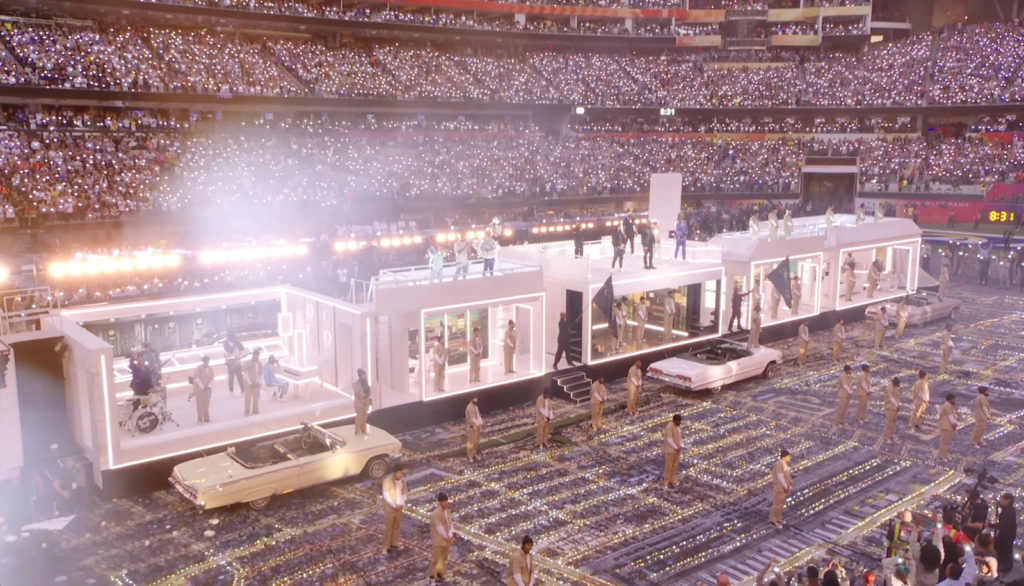
The Super Bowl Halftime Show is not just a concert. It is a cultural event layered with symbolism, commercial power, and historical weight.
The Scale of the Halftime Show
Each year, the halftime show delivers:
- Over 110 million U.S. viewers, according to Nielsen ratings
- One of the largest global live TV audiences of any annual event
- Instant social media virality across TikTok, X (Twitter), Instagram, and YouTube
- Immediate streaming and catalog boosts for the performing artist
For example, after Rihanna’s halftime performance, her Spotify streams surged by nearly 400% in less than 24 hours. Past performers routinely see massive jumps in digital sales, tour demand, and cultural relevance.
With stakes this high, declining the offer becomes headline-worthy.
The Bombshell Revelation: A Mega Pop Star Said No
Over the years, several artists have quietly passed on the halftime show. But one name stands above the rest in both influence and cultural reach: Taylor Swift.
In 2016, Swift publicly acknowledged that she declined the Super Bowl halftime show due to a sponsorship conflict. At the time, the halftime show was sponsored by Pepsi, while Swift was a prominent partner of Coca-Cola. Accepting the performance would have directly conflicted with her long-term endorsement deal.
This wasn’t speculation. It was a confirmed, strategic decision—and it fundamentally changed how fans and industry insiders viewed the halftime show.
Is the Super Bowl Halftime Show Paid? The Truth Surprises Fans
One of the most common questions Americans ask is:
“Do artists get paid to perform at the Super Bowl halftime show?”
The answer often shocks people.
The Financial Reality of the Halftime Show
- Artists do not receive a performance fee
- The NFL covers production costs, often ranging from $10–15 million
- Artists profit indirectly through:
- Streaming spikes
- Album and merchandise sales
- Tour ticket demand
- Brand visibility
- Streaming spikes
For rising or mid-tier artists, this exposure can be career-defining. For artists already selling out stadiums worldwide, the financial upside is far less significant.
In Swift’s case, her tours already generated billions in revenue. The halftime exposure simply wasn’t essential.
Brand Conflicts: The Real Deal-Breaker
Perhaps the most overlooked factor behind halftime rejections is brand exclusivity.
Modern pop stars are not just musicians—they are multinational brands. Their endorsement deals are carefully structured, legally binding, and immensely lucrative.
Why Sponsorship Alignment Matters
Top-tier artists often have contracts involving:
- Beverage exclusivity (Pepsi vs. Coca-Cola)
- Apparel and lifestyle branding
- Tour sponsorship integrations
- Visibility and morality clauses
Appearing on a competitor-branded stage—even for 13 minutes—can violate agreements worth tens of millions of dollars.
In this context, turning down the halftime show isn’t defiance. It’s risk management.
Creative Control: Who Really Owns the Halftime Show?
Another trending search query:
“Do artists control their Super Bowl halftime performance?”
The short answer: partially.
While performers collaborate creatively, the NFL maintains final authority to ensure:
- Broadcast standards and FCC compliance
- Family-friendly presentation
- Strict time limits (typically 12–14 minutes)
- Sponsor visibility and transitions
For artists known for long-form storytelling, elaborate visuals, or extended setlists, these limitations can feel restrictive. Some prefer stages where they can fully control pacing, messaging, and tone.
Creative freedom is often more valuable than exposure.
Cultural and Political Pressure: A New Era of Halftime Decisions
Since the late 2010s, the halftime show has also become politically charged.
During periods of intense debate surrounding player protests and league policies, some artists reconsidered participation altogether. Public reports indicated that certain performers declined offers in solidarity with broader social movements.
For modern celebrities, neutrality is no longer invisible. Participation itself can be interpreted as endorsement.
Is the Halftime Show Riskier Than It Looks?
Another common question:
“Can the Super Bowl halftime show hurt an artist’s career?”
History suggests it can.
The Risks of Performing on the Biggest Stage
With massive exposure comes massive scrutiny:
- Vocal performance criticism
- Lip-sync accusations
- Technical glitches
- Political backlash
- Comparisons to legendary past performances
A single misstep can dominate headlines and social media for weeks. For artists with carefully curated reputations, the downside risk is real.
Sometimes, the safest move is not to play at all.
Why Saying No Can Be a Power Move
Ironically, declining the halftime show can enhance an artist’s mystique.
In Swift’s case, the decision reinforced her image as:
- Independent and strategic
- Brand-aware and disciplined
- Selective about appearances
- Fully in control of her narrative
Rather than chasing validation, she demonstrated that even the NFL was optional.
That message resonates far beyond music.
How the NFL Adapted After High-Profile Rejections
Rejections forced evolution.
In response, the NFL began:
- Expanding genre representation
- Allowing more artist collaboration
- Embracing cultural relevance
- Partnering more flexibly with performers
This shift paved the way for groundbreaking halftime shows that reflected broader musical diversity and generational change.
What Fans Often Misunderstand About Halftime Rejections
Let’s clear up a few myths:
- It’s not about arrogance
- It’s not about disliking football
- It’s not about money alone
More often, it’s about alignment, timing, values, and long-term strategy.
Artists think in decades. Fans think in moments.
What This Means for the Future of the Halftime Show
Looking ahead, expect:
- More artists openly declining
- More transparency about reasons
- More customized halftime negotiations
- More emphasis on mutual benefit
The halftime show remains iconic—but no longer untouchable.
Practical Takeaways for Fans, Creators, and Brands
There are broader lessons in this story:
- Exposure is not the same as leverage
- Brand consistency builds long-term trust
- Saying no can strengthen positioning
- Control is the new currency of fame
In today’s entertainment economy, power belongs to those who can walk away.
Frequently Asked Questions (Top Trending Halftime Show Queries)
1. Did Taylor Swift really turn down the Super Bowl halftime show?
Yes. She publicly confirmed declining due to a sponsorship conflict.
2. Do artists get paid to perform at halftime?
No direct fee, though production costs are covered by the NFL.
3. Why would a mega pop star say no?
Brand conflicts, creative limits, cultural considerations, and risk.
4. Has any artist regretted performing at halftime?
Some have faced backlash, though few speak openly about regret.
5. Can declining the halftime show hurt an artist’s career?
For established stars, it often has no negative impact.
6. Does the NFL choose the performer alone?
No. Sponsors, broadcasters, and artists all influence the decision.
7. Are halftime performances fully live?
They are live, though vocal tracks may be supported.
8. How long is the Super Bowl halftime show?
Typically between 12 and 14 minutes.
9. Has politics affected halftime participation?
Yes, especially during periods of social and cultural tension.
10. Will Taylor Swift ever perform at halftime?
Possibly, if timing, sponsorships, and creative terms align.
Final Verdict: Why This Bombshell Matters
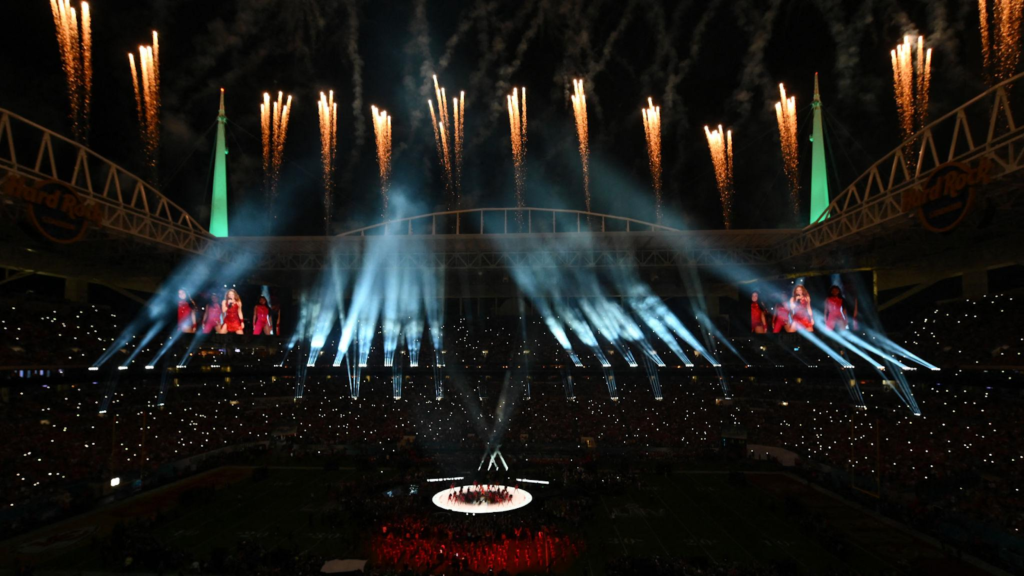
The Super Bowl halftime show is still one of the most powerful stages in the world—but it no longer defines success.
When a mega pop star turns it down, it signals a shift in cultural power. Artists today don’t need institutional validation. They choose alignment over exposure, control over spectacle, and longevity over headlines.
Sometimes, the loudest statement is simply saying no.